The name “Durham” comes from the Old English “dun”, meaning hill, and the Old Norse “holme”, which translates to island, ‘Hill Island’ Durham Regatta has been held on the River…
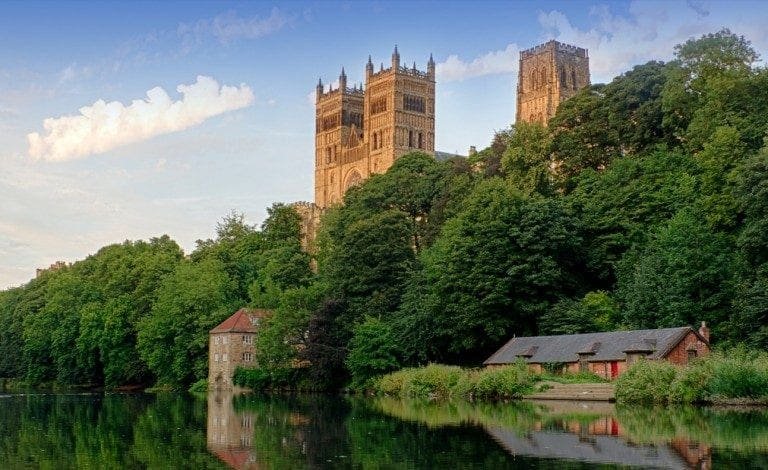
Durham Cathedral was built in the late 11th and early 12th centuries It was founded as a monastic cathedral built to house the shrine of St Cuthbert, ‘Evangelizer of Northumbria’,…
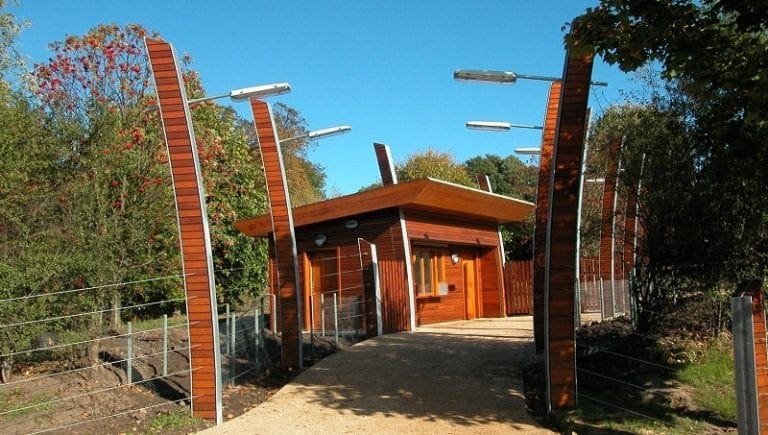
The Durham university Botanic lawn is a botanical lawn located in Durham, the garden is is 25 acres of mature woodlands inside the southern outskirts of the city. The botanic…
Durham in numbers POPULATION Source: UK National Statistics [su_table] Population 50,000 (2011) Students 17,505 (2014) Males 24,049 (2011) Females 23,736 (2011) Age Distribution: 0-14 years 5,170 (2011) Age Distribution: 15-29 years…
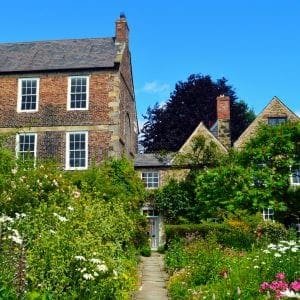
Crook Hall is a 14th century Manor, located less than a mile from the centre of Durham. The manor was built in sandstone with a Welsh slate roof, one of the…
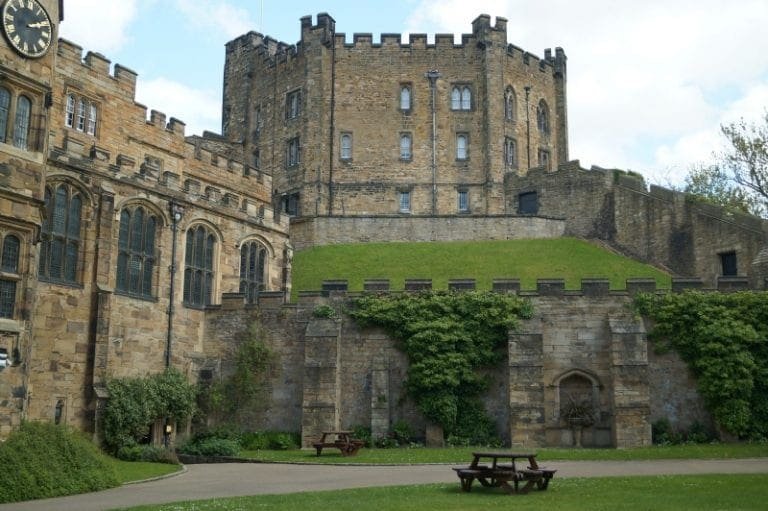
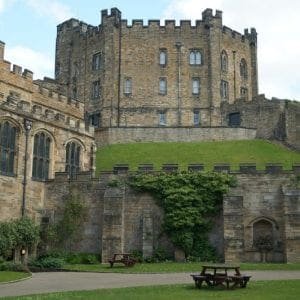
The Durham Castle was built in 1072, orders of William the Conqueror and supervision of Earl of Northumberland, Waltheof, However he rebelled against William and was executed in 1076. The…
The Birmingham Botanical Gardens located in Edgbaston, Birmingham, the garden is 15 acres, Designed by J.C. Loudon in 1829, who was a leading garden planner, it was opened to the…
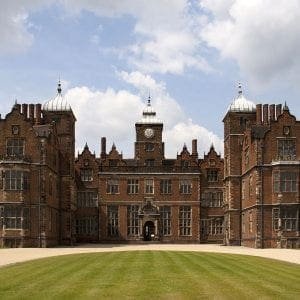
Aston Hall is located in Birmingham, England, designed by way of John Thorpe and constructed between 1618 and the 1635. Designed by John Thorpe, production began in April 1618 through…
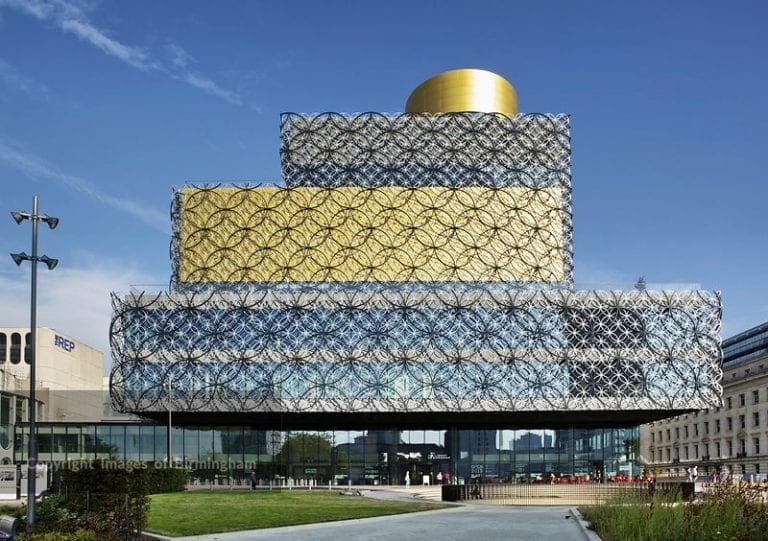
The Library of Birmingham is a public library in Birmingham, England. It’s located on the west side of the city at Centenary square, next to Birmingham Rep and Baskerville house.…