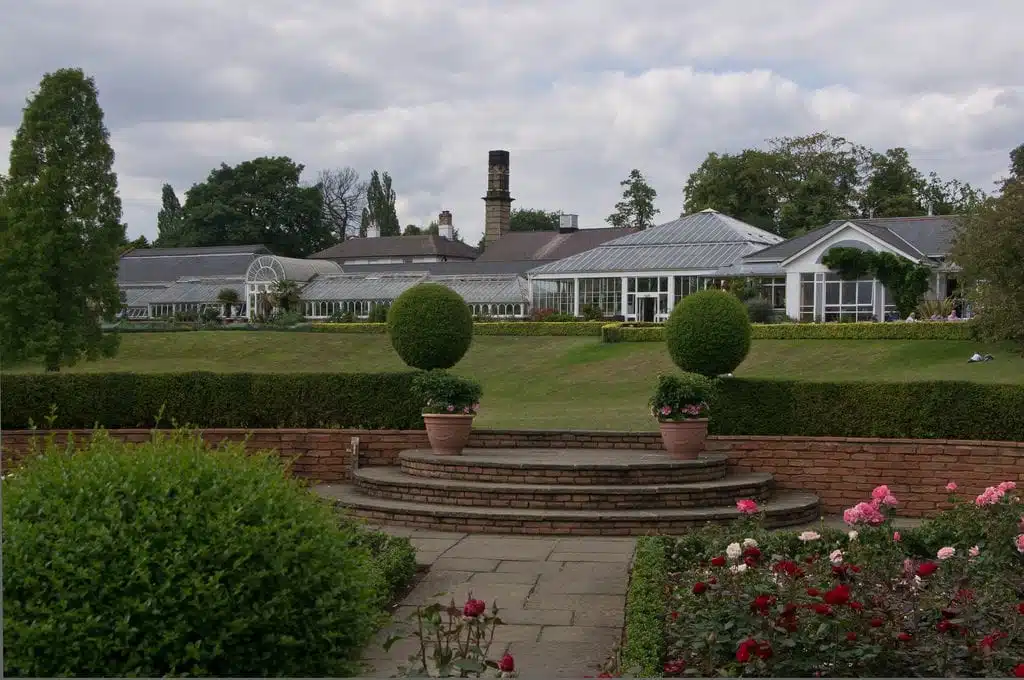
Birmingham Botanical Gardens is a 15-acre oasis of lawns, flower beds and Victorian glasshouses in the leafy suburb of Edgbaston, less than two miles from the city centre. Opened in 1832 and still run by the charity that founded it, it holds more than 7,000 kinds of plants from every climate on Earth, from tropical rainforest to arid desert, and it is one of the best-preserved public gardens of its age in Britain. This guide covers the history of the gardens, what to see, and how to plan a visit.
Key facts at a glance
- Location: Westbourne Road, Edgbaston, Birmingham B15 3TR
- Opened: 11 June 1832
- Size: 15 acres (6 hectares)
- Plants: more than 7,000 kinds
- Designed by: John Claudius Loudon
- Status: Grade II* registered historic garden
- Time needed: two to three hours
History of the gardens
A garden for a growing town
In 1829 a group of Birmingham businessmen and plant enthusiasts founded the Birmingham Botanical and Horticultural Society, with the aim of creating a garden for science, education and pleasure. They leased a farm on the Calthorpe estate at Edgbaston, on a gentle slope facing south over open country.
Loudon’s design
The layout was entrusted to John Claudius Loudon, the most influential garden writer of the age. His plan, with a broad terrace at the top, a great sloping lawn, curving paths and a circuit of trees and shrubs, survives almost intact. The gardens opened to members on 11 June 1832, and working people were soon admitted on certain days for a penny.
The glasshouses
Loudon designed a spectacular circular glasshouse that the society could not afford. Instead, a series of more modest houses was built along the terrace during the 19th century: the Tropical House in 1852, the Subtropical House in 1871, and the Terrace Glasshouses in 1884.
Restoration
After years of struggle, the gardens were revived from the 1980s. A major restoration project, begun in the 2020s, is repairing the historic glasshouses, which had reached the end of their lives, so some houses may be closed or changed when you visit.
What to see
The Tropical House
A steamy pool surrounded by plants of the rainforest: banana, cocoa, sugar cane, rice, giant bamboo and water lilies.
The Subtropical House
Tree ferns, cycads, orchids and carnivorous plants thrive in gentler warmth.
The Mediterranean and Arid Houses
Citrus trees, olives and scented pelargoniums in one; in the other, a landscape of cacti, agaves and succulents from the deserts of the Americas and Africa.
The Great Lawn and bandstand
The sweeping main lawn is overlooked by a bandstand of 1873, where brass bands play on summer Sunday afternoons.
The National Bonsai Collection
The gardens are home to the national collection of bonsai, including the Omiya tree, a Japanese juniper about 250 years old.
Themed gardens
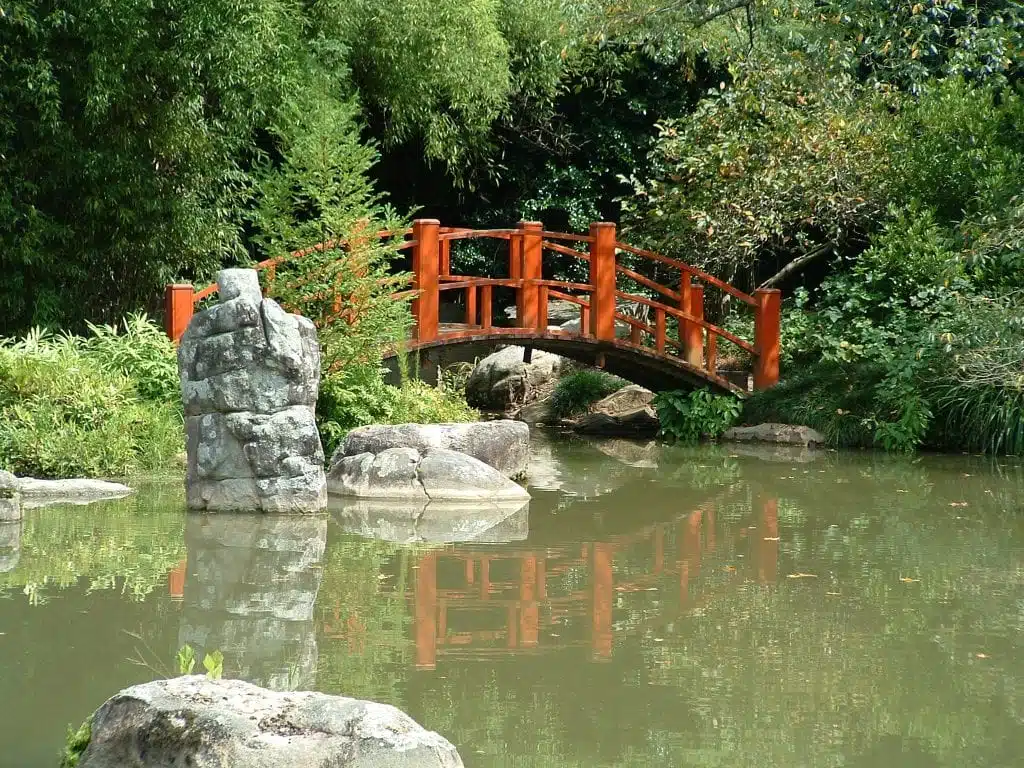
Among them are a Japanese garden, an alpine yard, a rock garden with a pool, a rose garden, a herb garden, and a set of historic gardens showing Roman, medieval and Tudor planting.
Birds and butterflies
Four Victorian aviaries on the lawn hold exotic birds, peacocks wander freely, and a butterfly house opens in summer.
For children
There is a large adventure playground, a discovery garden and trails through the woodland walk.
Did you know?
- Ernest Wilson, one of the greatest plant hunters, who introduced more than a thousand species from China to the West, began his career as a gardener here in the 1890s.
- The gardens are an independent educational charity and receive no regular public funding.
- More than 250,000 people visit each year.
- The site is listed Grade II* on the national register of historic parks and gardens.
Visiting
Opening times and tickets
The gardens are open every day except Christmas Day and Boxing Day, from 10 am, closing at dusk in winter and later in summer. Tickets are cheaper online, and children under five are free. Annual membership pays for itself in three or four visits.
Getting there
Edgbaston is about 1.5 miles south-west of the city centre. Buses from Broad Street stop nearby, and the gardens are a 20-minute walk from Five Ways station or the Edgbaston Village tram stop. There is a free car park.
Facilities
- Tea room and terrace overlooking the lawn
- Gift shop and plant sales
- Accessible paths to most areas, with wheelchairs available to borrow
- Toilets and baby changing
Tips
- Spring brings magnolias, rhododendrons and bulbs; June and July the roses and herbaceous borders.
- On a cold or wet day, the four glasshouses alone are worth the visit.
- The gardens host outdoor theatre, concerts and a popular Christmas light trail.
Nearby
Edgbaston is also home to the Barber Institute of Fine Arts, Winterbourne House and Garden, and Edgbaston cricket ground. For more on the city, see our facts you might not know about Birmingham and our guide to Birmingham New Street station.
Frequently asked questions
How big are Birmingham Botanical Gardens?
15 acres, with four glasshouses.
When did Birmingham Botanical Gardens open?
On 11 June 1832.
Is there parking at Birmingham Botanical Gardens?
Yes, there is a free car park on site.
How long do you need at Birmingham Botanical Gardens?
Two to three hours.
Are dogs allowed in Birmingham Botanical Gardens?
Only assistance dogs.
Who designed Birmingham Botanical Gardens?
John Claudius Loudon, in 1831.
Last updated: November 2026.