Key takeaways
- Nordic countries
- Quick facts about the Nordic countries
- How many Nordic countries are there?
- Historical and Cultural Unity
- The difference between Scandinavia and the Nordic countries
- Sovereign States
Nordic countries
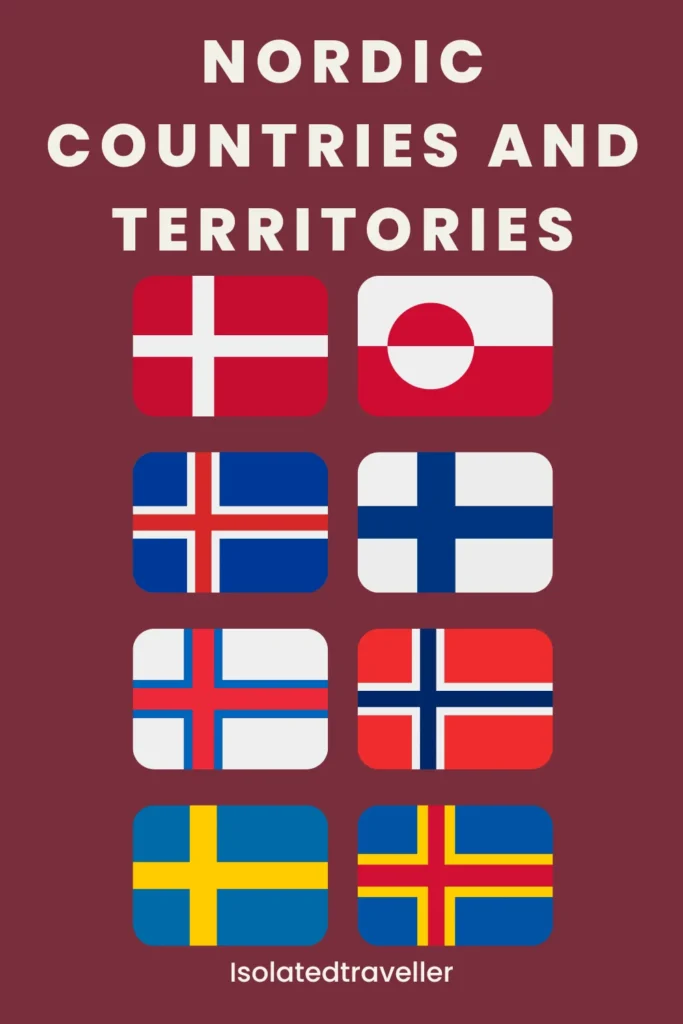
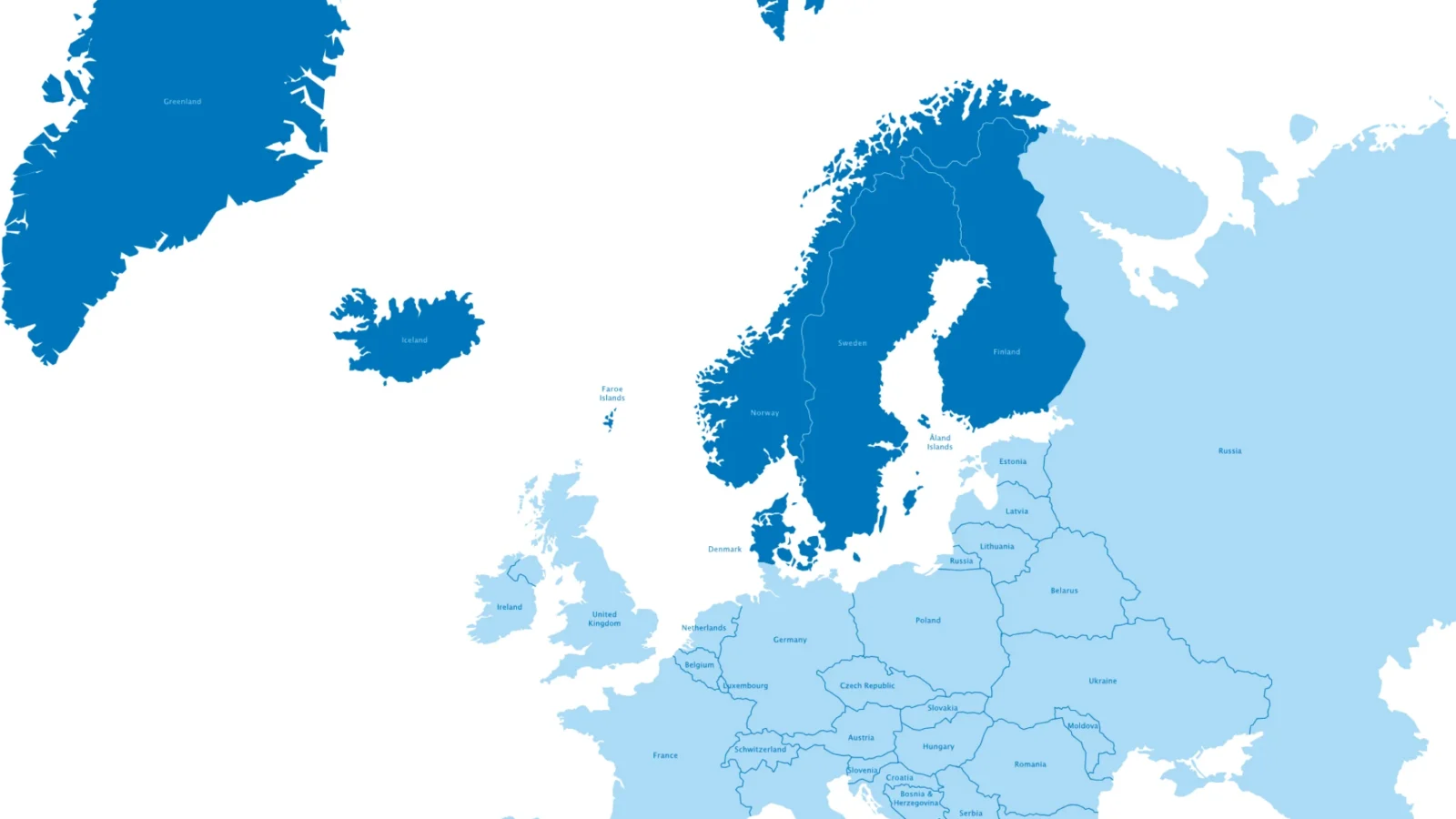
There are five Nordic countries. Denmark, Finland, Iceland, Norway and Sweden, joined by four self-governing territories: the Faroe Islands, Greenland, Åland and, on a rather different legal footing, Svalbard. Together they cover about 3.5 million square kilometres and hold somewhere near 28.4 million people, which works out at roughly eight people per square kilometre against about 109 across the European Union.
Greenland alone accounts for around 62 per cent of the land and about 0.2 per cent of the population. Sweden holds more than a third of the region’s population on about 13 per cent of its land. Åland, an archipelago of Swedish speakers, belongs to Finland. Svalbard, at 78 degrees north, lets citizens of nearly fifty countries move in without a visa.
Quick facts about the Nordic countries
| Sovereign states | 5 (Denmark, Finland, Iceland, Norway, Sweden) |
| Autonomous territories | 3 (Faroe Islands, Greenland, Åland) plus Svalbard |
| Combined population | About 28.4 million |
| Combined area | About 3.49 million km², of which Greenland is 2.17 million |
| Largest by population | Sweden, about 10.6 million |
| Smallest by population | Åland, about 30,700 |
| Largest by area | Greenland |
| Smallest by area | Faroe Islands, 1,399 km² |
| Highest point | Gunnbjørn Fjeld, Greenland, 3,694 m |
| In the EU | Denmark, Finland, Sweden |
| In NATO | All five |
| Using the euro | Finland and Åland only |
| Cooperation treaty | Helsinki Treaty, in force 1 July 1962 |
How many Nordic countries are there?
Five sovereign states, and the answer only gets complicated when you start counting territories. Denmark, Finland, Iceland, Norway and Sweden each sit in the United Nations with their own seat, their own head of state and their own foreign policy.
The Faroe Islands, Greenland and Åland are not sovereign, but they are not provinces either. All three send their own delegations to the Nordic Council, hold their own parliaments and run most of their internal affairs. Any serious list of Nordic countries and territories runs to eight entries. Svalbard makes nine if you include it, though it is administered directly from Oslo rather than by any local assembly, so it belongs in a category of its own.
Historical and Cultural Unity
The history of the Nordic countries is deeply interconnected. The region shares a common Viking heritage from the early medieval period, when Norsemen from Denmark, Norway, and Sweden explored, traded, and settled across Europe and beyond. This Viking legacy continues to influence modern culture and language in the region.
In the 19th century, the Scandinavian movement sought to unite Denmark, Norway, and Sweden into one nation, but this vision never materialised. With the dissolution of the union between Norway and Sweden in 1905 and the later independence of Finland (1917) and Iceland (1944), the idea of a single political entity faded. However, this set the stage for modern Nordic cooperation. Since 1962, the region has been bound by the Helsinki Treaty, which formalised the framework for collaboration through the Nordic Council and the Nordic Council of Ministers.
Although the Nordic countries share much in terms of lifestyle, history, and the Nordic model of social and economic governance, they remain sovereign states with their political systems.
The difference between Scandinavia and the Nordic countries
This is the single most common confusion about the region, and the distinction is worth getting right.
Scandinavia means Denmark, Norway and Sweden. Three countries, three closely related North Germanic languages, one shared medieval history. The name comes from the Scandinavian Peninsula, which strictly speaking holds only Norway and Sweden, with Denmark folded in on cultural and linguistic grounds.
The Nordic countries means all five sovereign states plus the three autonomous territories. It is the broader and, in the region itself, the more useful term.
| Countries and Territories | Scandinavia | Nordic countries |
|---|---|---|
| Denmark | Yes | Yes |
| Norway | Yes | Yes |
| Sweden | Yes | Yes |
| Finland | No | Yes |
| Iceland | No | Yes |
| Faroe Islands | No | Yes |
| Greenland | No | Yes |
| Åland | No | Yes |
Finland is the reason people get it wrong. It looks Nordic, behaves Nordic and sits in every Nordic institution, but Finnish belongs to the Uralic family and has nothing in common with Danish, Norwegian or Swedish. Icelanders, meanwhile, speak a North Germanic language descended directly from Old Norse and are still not Scandinavian in the geographic sense, because Iceland is a mid-Atlantic island some 950 kilometres from the nearest Scandinavian coast.
What Makes the Nordic Region Nordic?
Sovereign States
| Country Name | State Flag | Founded Date | Capital City |
|---|---|---|---|
| Kingdom of Denmark | 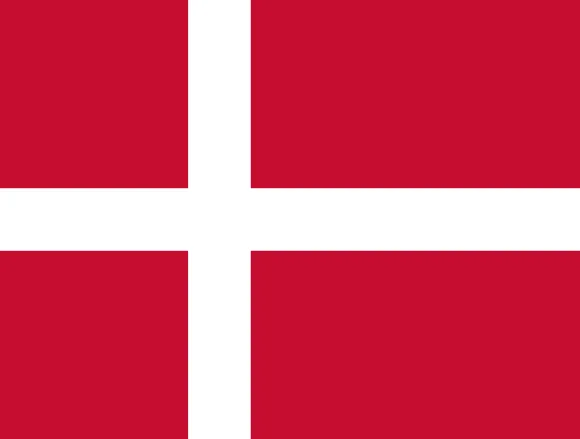 | 965 | Copenhagen |
| Republic of Finland | 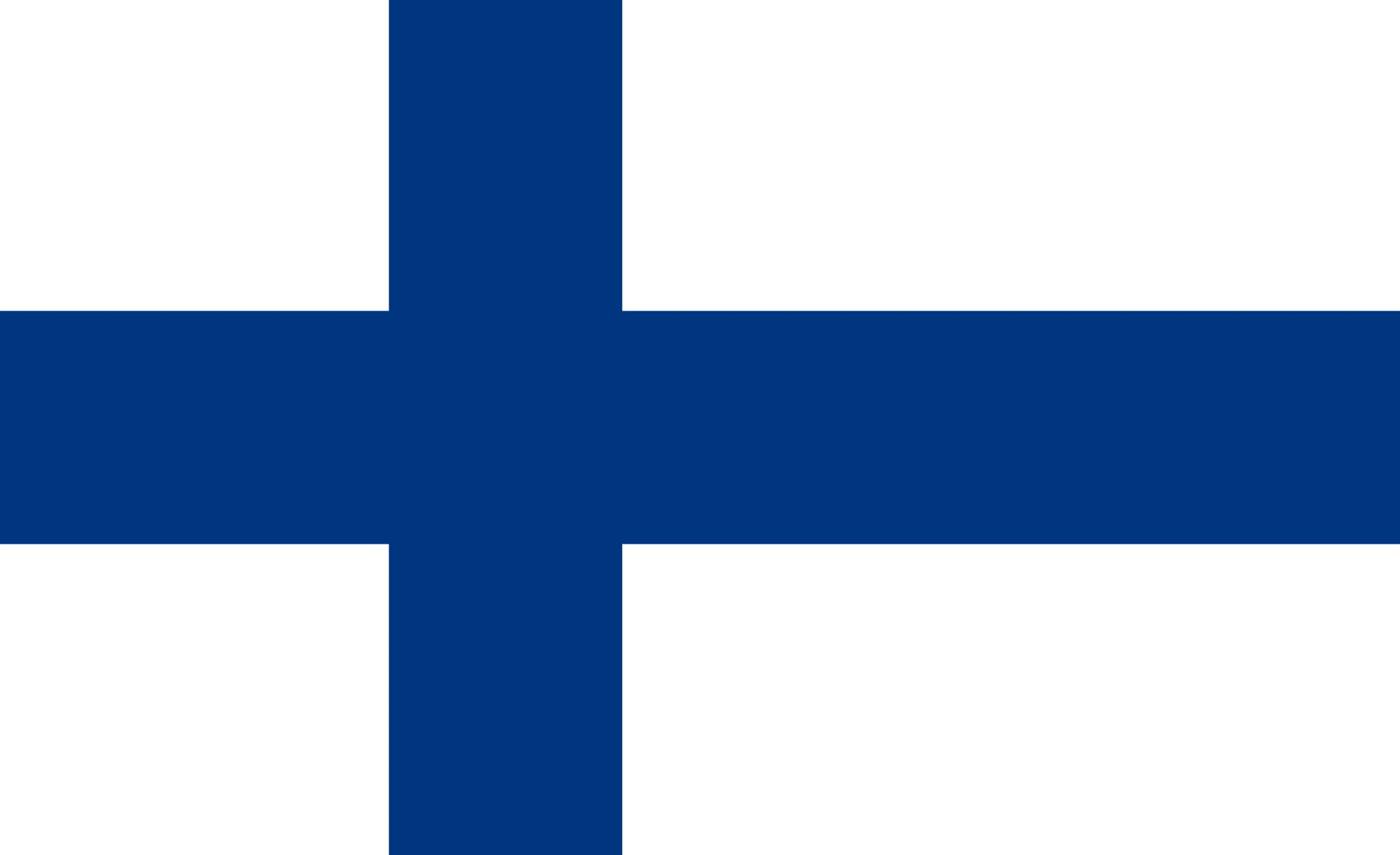 | 1917 | Helsinki |
| Iceland | 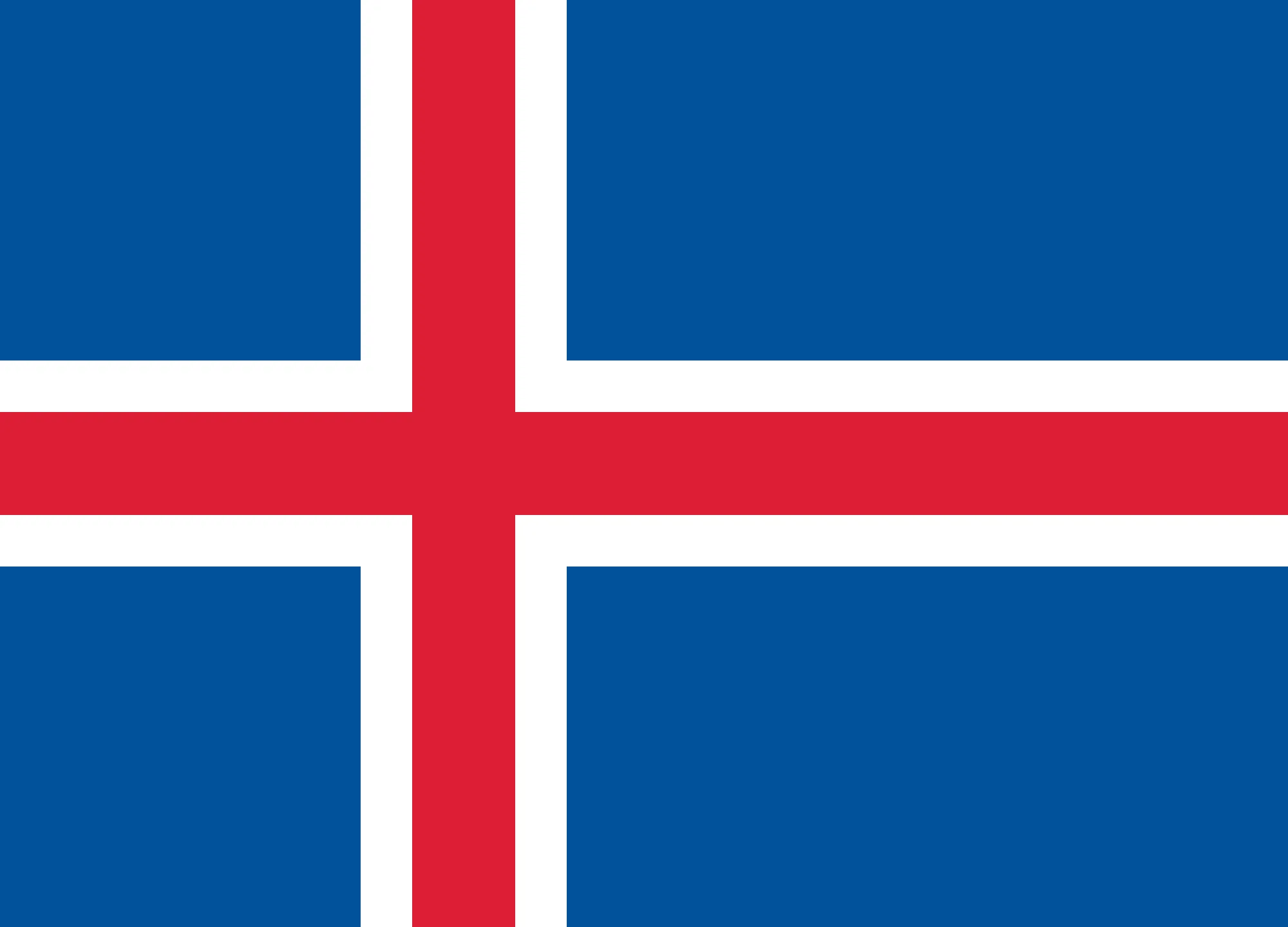 | 1944 | Reykjavik |
| Kingdom of Norway | 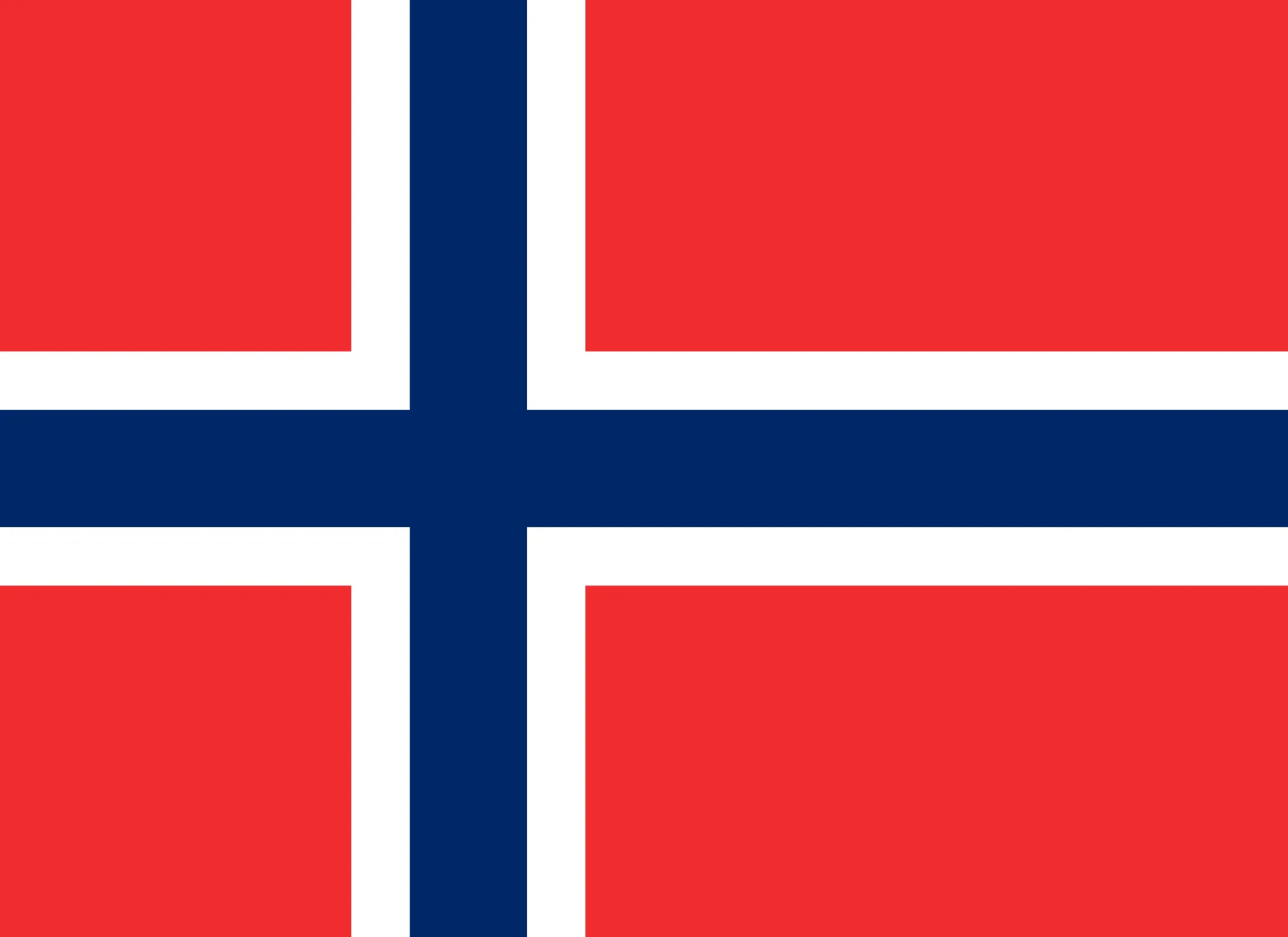 | 872 | Oslo |
| Kingdom of Sweden | 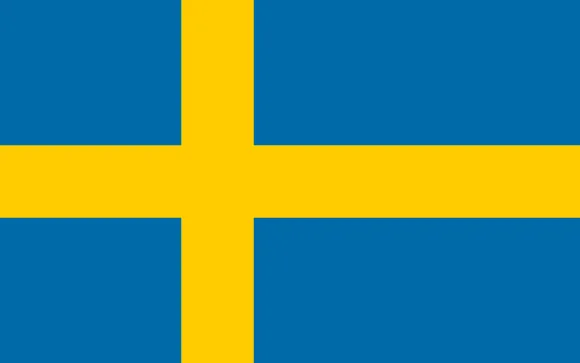 | 970 | Stockholm |
Denmark
The southernmost Nordic country and the only one attached to continental Europe, joined to Germany by a 68 kilometre land border. Denmark is flat, fertile and small, with a highest point of 171 metres that would not register as a hill anywhere else in the region. Around 60 per cent of the land is farmed, one of the highest shares in Europe.
It is also the region’s oldest continuous monarchy. The conventional founding date of 965 comes from the larger Jelling stone, on which Harald Bluetooth claimed to have won all of Denmark and Norway and made the Danes Christian. Whether that counts as a founding document or a piece of tenth-century public relations is a question historians still enjoy.
Modern Denmark is best known for two things. One is the energy transition: wind supplied roughly 60 per cent of Danish electricity generation in 2025, a higher share than any other country manages. The other is design, from Arne Jacobsen chairs to the bicycle infrastructure that moves more Copenhageners into the centre each morning than cars do.
Denmark, Greenland and the Faroe Islands together form the Kingdom of Denmark, known in Danish as the rigsfællesskab, or unity of the realm.
Finland
Finland is the outlier in almost every category that matters. Its language belongs to the Uralic family alongside Estonian and Hungarian. It was governed from Stockholm for six centuries, then from Saint Petersburg for one, and declared independence in December 1917 during the Russian Revolution. It shares a 1,340 kilometre border with Russia, longer than any other EU member state.
Geographically it is forest and water. Around 75 per cent of the land is forested and the official lake count sits at 187,888, which is why the tourist board settled on “the land of a thousand lakes” and then had to keep explaining the shortfall. Finnish Lapland extends well above the Arctic Circle, and Utsjoki in the far north is the northernmost municipality in the European Union.
Finland is the only Nordic country in the eurozone, joined NATO in April 2023 after decades of formal non-alignment, and has now topped the World Happiness Report nine years running.
Iceland
A volcanic island on the Mid-Atlantic Ridge, sitting exactly where the North American and Eurasian plates pull apart, which is why it has both glaciers and active volcanoes and occasionally deploys them at the same time. Norse settlers arrived in the late ninth century and founded the Alþingi at Þingvellir in 930, generally counted as the oldest parliamentary institution in the world, though it was suspended between 1800 and 1845.
Iceland was under Norwegian and then Danish rule for close to seven centuries before becoming a republic on 17 June 1944, while Denmark was under German occupation.
With around 394,000 residents it is the smallest Nordic country by population, and close to two thirds of them live in the Reykjavík capital region. Nearly all its electricity and heating comes from hydro and geothermal sources. It has no army, no railways and, since the 2010 Eyjafjallajökull eruption grounded European aviation for six days, a certain global name recognition.
Norway
Norway runs 1,750 kilometres from the North Sea to the Barents Sea, and its coastline, counting every fjord and island, comes to something over 100,000 kilometres. The conventional founding date of 872 refers to the Battle of Hafrsfjord, at which Harald Fairhair is said to have unified the petty kingdoms, though the date is a reconstruction rather than a record.
Norway spent four centuries under the Danish crown, then joined a union with Sweden in 1814, and dissolved it peacefully in 1905. Oil arrived off the coast in 1969, and rather than spend the proceeds Norway routed them into the Government Pension Fund Global, now the largest sovereign wealth fund on earth at over two trillion dollars and holding roughly 1.5 per cent of all listed shares worldwide.
It is not in the European Union. Two referendums, in 1972 and 1994, both said no by narrow margins. Norway takes part in the single market through the European Economic Area instead, which means it applies most EU rules without voting on them.
Sweden
The largest Nordic country by both population and area, discounting Greenland, and the region’s industrial heavyweight. Volvo, Ericsson, IKEA, Spotify, H&M and Electrolux are all Swedish, and per head of population Sweden produces more globally recognised brands than any comparable country.
Sweden was a genuine great power in the seventeenth century, controlling much of the Baltic before the Great Northern War ended that. It has not fought a war since 1814, which is the longest run of peace of any country in Europe, and it maintained formal military non-alignment until joining NATO in March 2024.
Geographically it stretches from the beech woods and farmland of Skåne to the Arctic tundra of Norrbotten, and roughly 15 per cent of the country lies above the Arctic Circle. Sweden kept its own currency after a 2003 referendum rejected the euro.
The autonomous territories
| Territory | Territory Flag | Sovereign state | Capital | Population | Area (km²) | Self-government since |
|---|---|---|---|---|---|---|
| Faroe Islands | 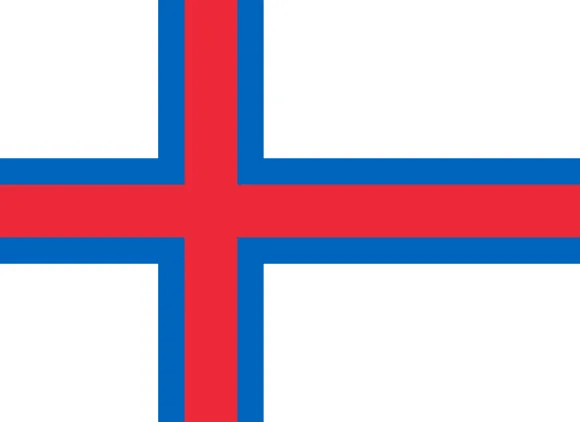 | Kingdom of Denmark | Tórshavn | 55,400 | 1,399 | 1948 |
| Greenland | 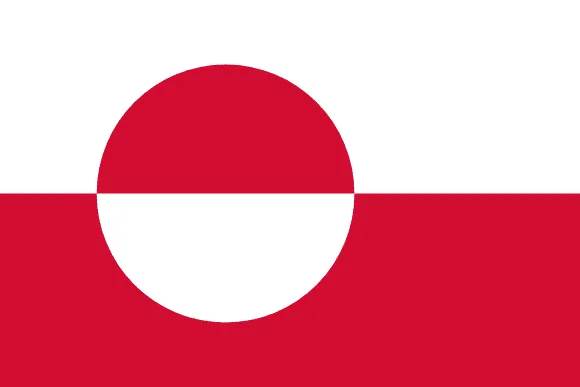 | Kingdom of Denmark | Nuuk | 56,500 | 2,166,086 | 1979, extended 2009 |
| Åland |  | Republic of Finland | Mariehamn | 30,700 | 1,580 | 1920 |
| Svalbard | | Kingdom of Norway | Longyearbyen | 2,900 | 61,022 | Not autonomous, see below |
The Faroe Islands
Eighteen islands in the North Atlantic, seventeen of them inhabited,, roughly halfway between Iceland and Norway, with cliffs that drop several hundred metres straight into the sea and a climate that changes its mind hourly. There are more sheep than people, and the name almost certainly derives from the Old Norse for sheep islands.
Fish and fish farming account for around 90 per cent of exports, which is a startling degree of concentration for any economy. The islands and Greenland hold roughly the same number of people, on wildly different amounts of land. The islands got home rule in 1948 and now control health, education, fisheries and their own tax system. Denmark keeps foreign affairs, defence and the courts.
The Faroes are not in the European Union, and did not join when Denmark did in 1973, precisely because of fisheries. They are also outside Schengen, though the Nordic Passport Union means Nordic citizens cross without checks. Faroese is a North Germanic language, close enough to Icelandic to be partially mutually intelligible and quite unlike modern Danish.
Greenland
The largest island in the world and, at 2.17 million square kilometres, about 1.6 times the size of the other seven Nordic entries put together. About 81 per cent of it lies under an ice sheet up to three kilometres thick. Its 56,500 residents live almost entirely on the ice-free coastal fringe, and no roads connect the towns, so travel is by air, boat or, in winter, over the sea ice.
Greenlandic, an Inuit language of the Eskimo-Aleut family, is the sole official language. Around 89 per cent of the population is Inuit or mixed Inuit and Danish.
Greenland has had home rule since 1979 and much broader self-government since the 2009 act, which recognised Greenlanders as a distinct people under international law and handed over control of natural resources, policing and the courts. Denmark retains foreign affairs, defence, monetary policy and citizenship, and pays an annual block grant that still covers a substantial share of the public budget. The 2009 act also sets out a route to full independence, should Greenland vote for it.
It is the only territory to have left the European bloc and come back on different terms. Greenland joined the EEC with Denmark in 1973, held a referendum in 1982 over fishing rights, and withdrew in 1985. It now has Overseas Country and Territory status.
Åland
An archipelago of some 6,700 islands and skerries at the mouth of the Gulf of Bothnia, sitting almost exactly between Stockholm and Turku. Politically it is Finnish. Linguistically and culturally it is Swedish, and Swedish is its only official language, spoken as a first language by about 85 per cent of residents.
The arrangement came out of a genuine dispute. When Finland became independent in 1917 the Ålanders wanted to join Sweden, and the League of Nations settled the matter in 1921 by confirming Finnish sovereignty while requiring Finland to guarantee Åland’s language, culture and autonomy. The islands have been demilitarised since the Treaty of Paris in 1856, and Ålanders are exempt from Finnish conscription.
Åland is in the European Union but outside its VAT area, which is the entire reason the Stockholm to Turku ferries call there. The stop makes the sailing an international voyage and keeps the duty-free shops legal, and those shops fund a good deal of the traffic.
Svalbard
Svalbard is not autonomous and does not fit the pattern. It is an Arctic archipelago about 1,000 kilometres north of the Norwegian mainland, roughly midway to the North Pole, and it is Norwegian territory administered by a governor appointed from Oslo.
What makes it unusual is the Svalbard Treaty, signed in Paris on 9 February 1920 and in force since 1925, now with around fifty parties. The treaty recognises Norwegian sovereignty but requires Norway to grant citizens of every signatory state equal rights to live, work, fish, hunt and run businesses there. Taxes may only be raised to fund Svalbard itself, so income tax runs well below the mainland rate. The archipelago is outside both Schengen and the European Economic Area.
The practical effect is that anyone from a signatory country can simply move to Longyearbyen without a visa or residence permit, which no other inhabited place in the world allows. Norway does expect arrivals to support themselves, and there is no welfare safety net, so the freedom is more conditional than it first appears. Article 9 also prohibits naval bases and fortifications, a clause Norway and Russia have interpreted differently for a century.
Around 2,900 people live there. Longyearbyen is the largest settlement, Barentsburg is a Russian mining community, and Ny-Ålesund is a research station. Polar bears outnumber residents, which is why leaving the settlements without a firearm is illegal.
What actually binds the Nordic region together
The region has no single government and never has, despite one nineteenth-century attempt. Scandinavism, the movement to merge Denmark, Norway and Sweden into one state, collapsed when Sweden and Norway declined to help Denmark in the Second Schleswig War of 1864. Norway left its union with Sweden in 1905, Finland became independent in 1917 and Iceland in 1944. Political union was dead.
Institutional cooperation replaced it, and turned out to be more durable.
The Nordic Passport Union, agreed in 1954 and operating from 1958, abolished passport checks between the Nordic countries and let their citizens live and work anywhere in the region. It predates Schengen by thirty years and still runs alongside it.
The Nordic Council, founded in 1952, is the inter-parliamentary body. Its 87 members are appointed by the national parliaments, and the Faroe Islands, Greenland and Åland each send their own delegates. It has no binding authority. What it produces is common ground that governments then legislate at home, which has quietly harmonised a great deal of law across the region.
The Helsinki Treaty, signed on 23 March 1962 and in force from 1 July that year, is the constitutional document of Nordic cooperation. It commits the five states to coordinate on legal, cultural, social, economic and transport matters.
The Nordic Council of Ministers, added in 1971, is the intergovernmental arm, where ministers rather than parliamentarians meet.
The result is a region where a Dane can work in Norway without paperwork, degrees transfer across borders and the five countries broadly recognise each other’s rules, without any of them surrendering sovereignty.
Are the Nordic countries in the EU?
Three of them are, and the picture underneath is more tangled than any simple yes or no.
| Country or Terrority | EU | Schengen | Eurozone | NATO | EEA |
|---|---|---|---|---|---|
| Denmark | Yes | Yes | No | Yes | Via EU |
| Finland | Yes | Yes | Yes | Yes | Via EU |
| Iceland | No | Yes | No | Yes | Yes |
| Norway | No | Yes | No | Yes | Yes |
| Sweden | Yes | Yes | No | Yes | Via EU |
| Faroe Islands | No | No | No | No | No |
| Greenland | No (OCT) | No | No | No | No |
| Åland | Yes | Yes | Yes | Via Finland | Via EU |
| Svalbard | No | No | No | No | No |
Denmark joined in 1973, Finland and Sweden in 1995. Norway has voted the question down twice. Iceland applied in 2009 after its banking collapse and shelved the application in 2015, though the EU never treated it as formally withdrawn. The question came back: Iceland holds a referendum on 29 August 2026 on whether to resume accession talks, and the Council indicated in June 2026 that it was ready to reopen them. Both countries are inside the single market through the EEA and both are in Schengen, so for a visitor the borders behave identically either way.
The NATO column changed completely in the 2020s. Denmark, Iceland and Norway were founder members in 1949. Finland joined in April 2023 and Sweden in March 2024, ending Swedish non-alignment that had held since the Napoleonic era.
The Nordic model
The phrase covers a specific and reasonably consistent set of arrangements: high taxes, universal tax-funded healthcare and education, generous parental leave, strong unions, wage-setting through collective bargaining rather than statutory minimum wages, and open, competitive markets on top of it all.
That last element is the part outside commentary usually misses. These are not planned economies. Denmark’s flexicurity system makes dismissal easy and unemployment support substantial, on the theory that protecting workers matters more than protecting particular jobs. Sweden has school vouchers. Norway’s fund is invested almost entirely outside Norway, specifically so that oil money cannot distort the domestic economy.
The results are consistent enough to be worth stating plainly. All five countries sit in the global top fifteen for human development and all rank near the top for press freedom and gender equality. In the World Happiness Report 2026 the Nordics took first, second, third, fifth and sixth place, with Finland leading for the ninth year running. They also sit among the highest-taxed countries in the OECD, which is the trade the electorates keep voting to renew.