City
Suva
Suva is the capital of Fiji and the largest city in the South Pacific (excluding Hawaii and New Zealand), set on the south-east coast of Viti Levu, with colonial-era architecture and a vibrant Indo-Fijian community.
Suva is the capital of Fiji and the largest city in the South Pacific (excluding Hawaii and New Zealand), set on the south-east coast of Viti Levu, with colonial-era architecture and a vibrant Indo-Fijian community.
Taipei is Taiwan's capital, dominated by the 508-metre Taipei 101 skyscraper, with the National Palace Museum holding the world's largest collection of Chinese imperial art.
Tehran is the capital of Iran, set against the snow-capped Alborz Mountains, with the Golestan Palace, the Grand Bazaar — one of the world's oldest — and the iconic Azadi Tower.
Tokyo is the world's largest metropolitan area, the capital of Japan, with neon-lit Shibuya, the Imperial Palace, the world's busiest pedestrian crossing, and a public transport network of unrivalled punctuality.
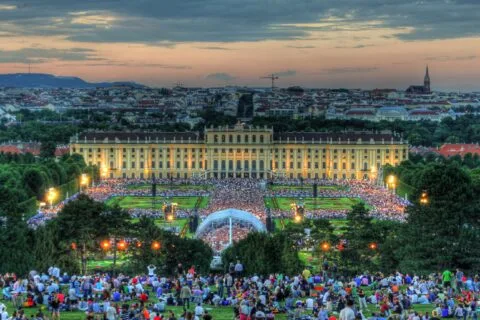
Vienna is the capital of Austria and one of the world's classical-music capitals — Mozart, Beethoven, Brahms, and Schubert all worked here. Its imperial heritage gives it grand boulevards and palaces like Schoenbrunn.
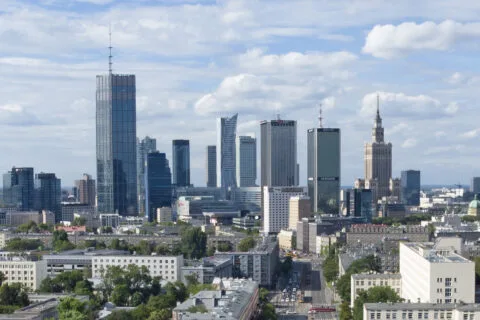
Warsaw is Poland's capital, almost completely destroyed in WWII and meticulously rebuilt brick by brick. Its Old Town is a UNESCO site celebrating that reconstruction.
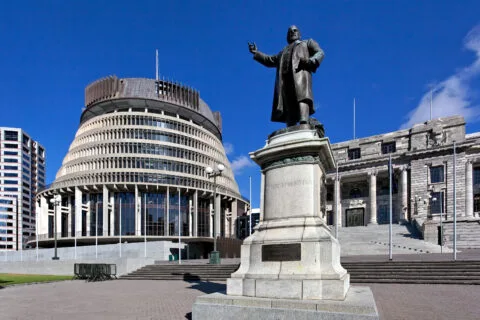
Wellington is the capital of New Zealand, the world's southernmost capital of a sovereign state, dramatically set around a deep harbour, with the Te Papa Tongarewa national museum and a cafe-rich downtown.
Alabama is a Deep South state on the Gulf of Mexico, central to the Civil Rights Movement (Selma, Montgomery, Birmingham) and home to the Marshall Space Flight Center where the Saturn V rocket was developed.
Alaska is the largest US state by area, twice the size of Texas, with Mount Denali (Mount McKinley) — North America's highest peak at 6,190 m — and Arctic tundra populated mostly by indigenous Alaska Natives.