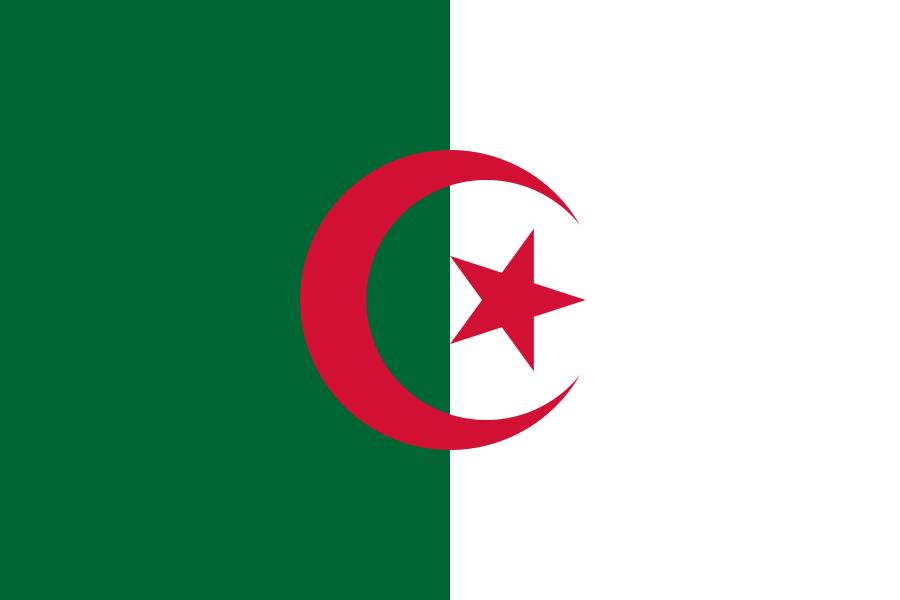
Country
Algeria
Algeria is the largest country in Africa by area, dominated by the Sahara Desert, with a Mediterranean coastline that hosts most of its population and capital Algiers — a UNESCO casbah of layered Arab and French heritage.
Algeria is the largest country in Africa by area, dominated by the Sahara Desert, with a Mediterranean coastline that hosts most of its population and capital Algiers — a UNESCO casbah of layered Arab and French heritage.
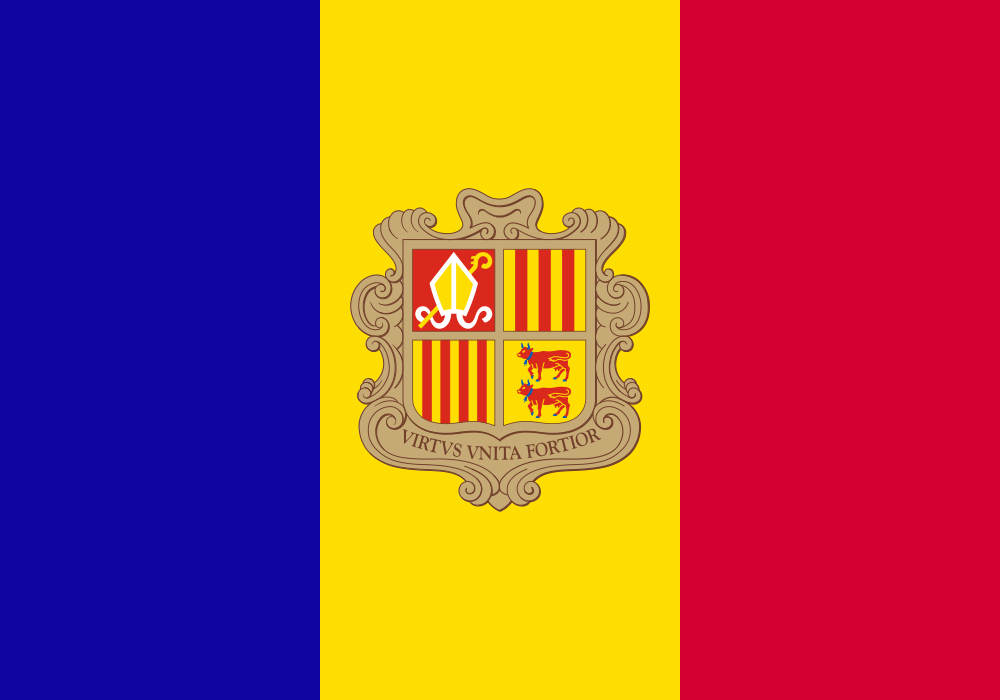
Andorra is a tiny landlocked principality in the eastern Pyrenees between France and Spain, famous for ski resorts, duty-free shopping and a uniquely shared headship of state.
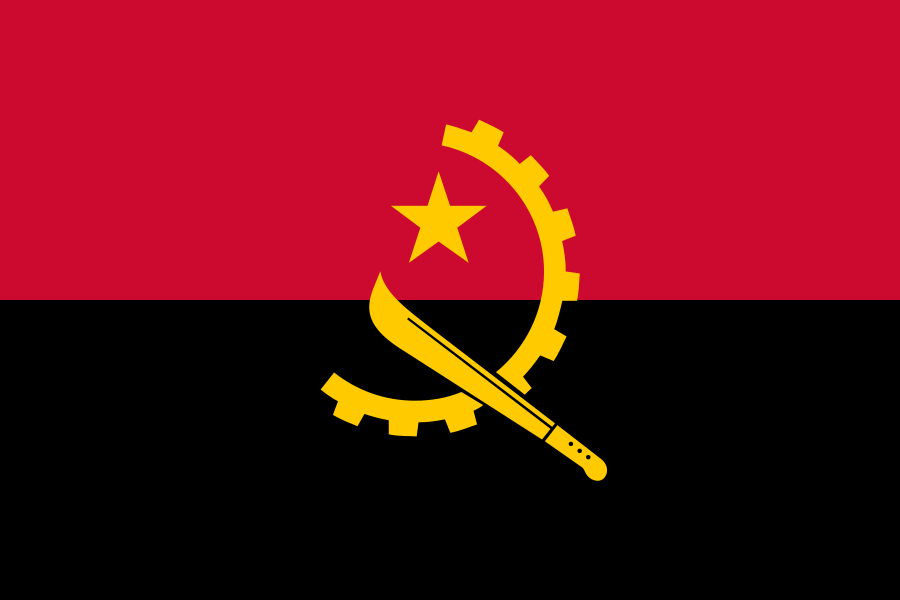
Angola is a south-western African nation on the Atlantic coast, formerly Portugal's largest colony, with extensive oil and diamond resources and a culture rooted in Bantu, Portuguese and Brazilian influences.
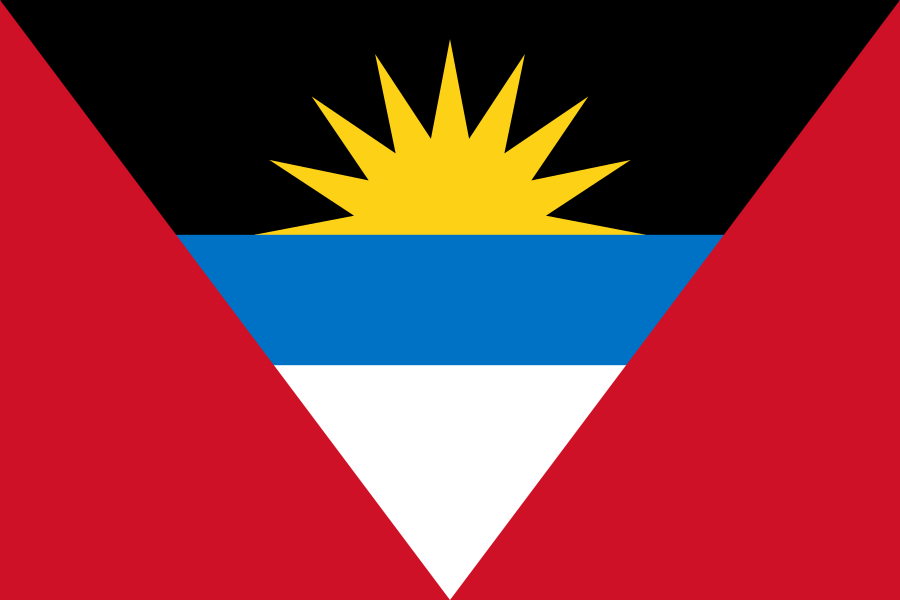
Antigua and Barbuda is a twin-island Caribbean state in the Leeward Islands, famous for 365 white-sand beaches — locals say one for every day of the year.
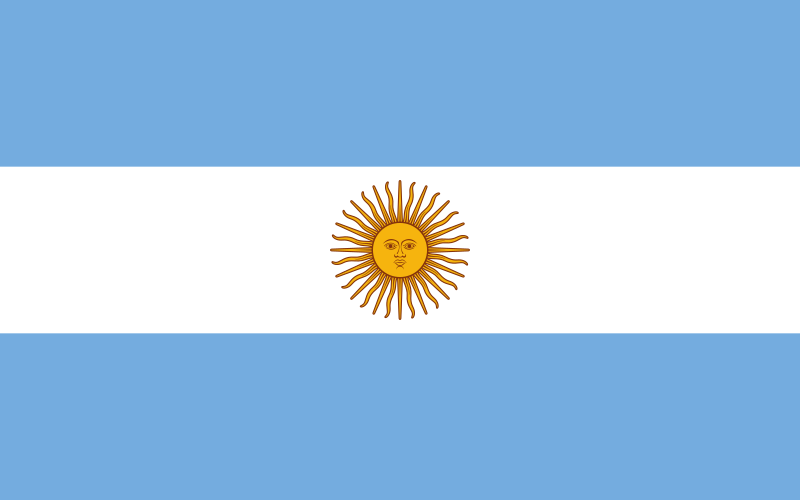
Argentina is the eighth-largest country in the world, stretching from the Andes to Patagonia and the Atlantic, with the cosmopolitan capital Buenos Aires and a culture rooted in tango and gaucho heritage.
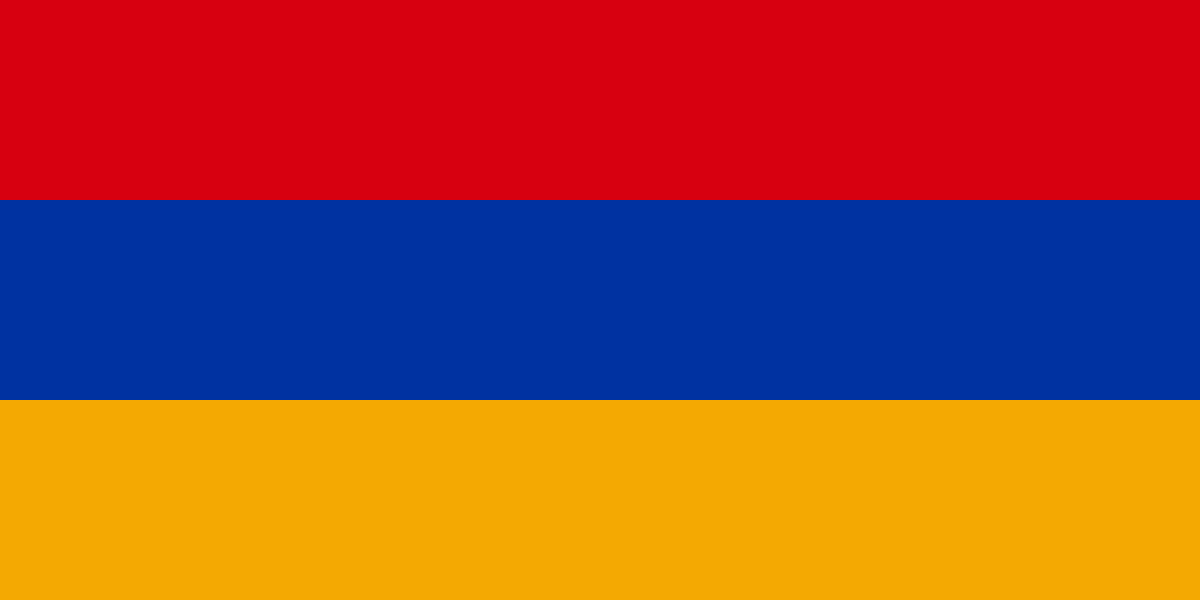
Armenia is a small landlocked South Caucasus country with an ancient Christian heritage — it was the first nation in the world to adopt Christianity as a state religion in 301 CE.
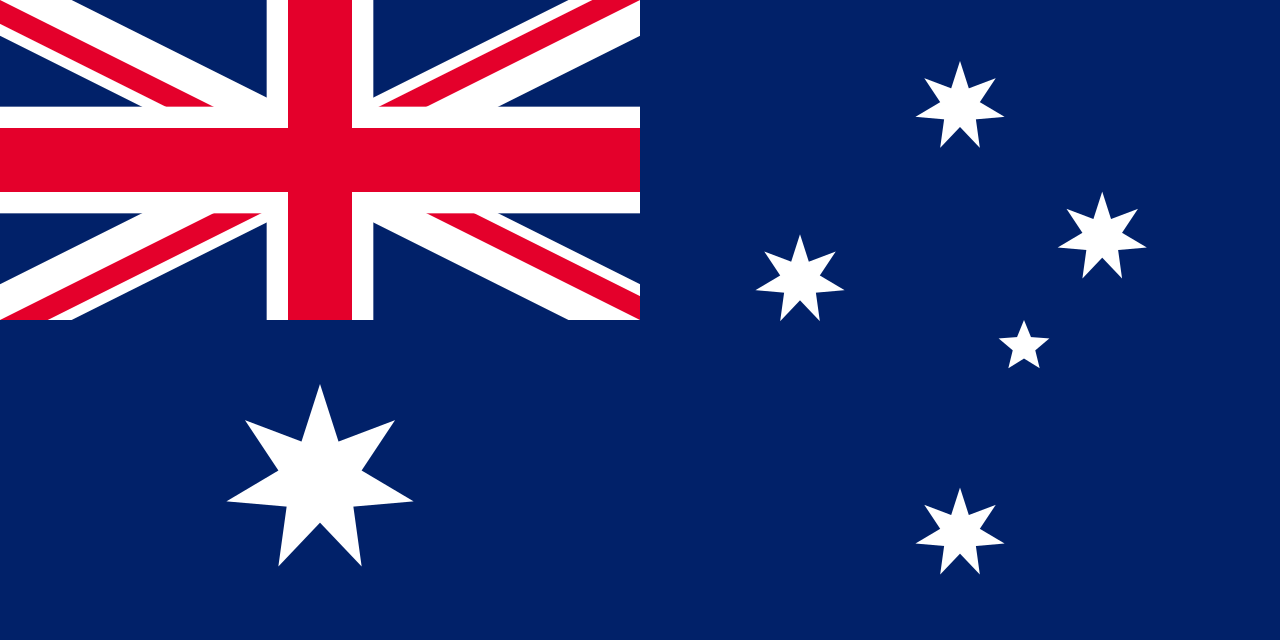
Australia is both a country and a continent, the world's sixth-largest by area, with the Outback's red interior, the Great Barrier Reef on its north-eastern coast, and over 80% of its plant and animal species found nowhere else.
Austria is an Alpine federal republic in Central Europe whose capital, Vienna, served as the seat of the Habsburg Empire for centuries and remains a global capital of classical music.
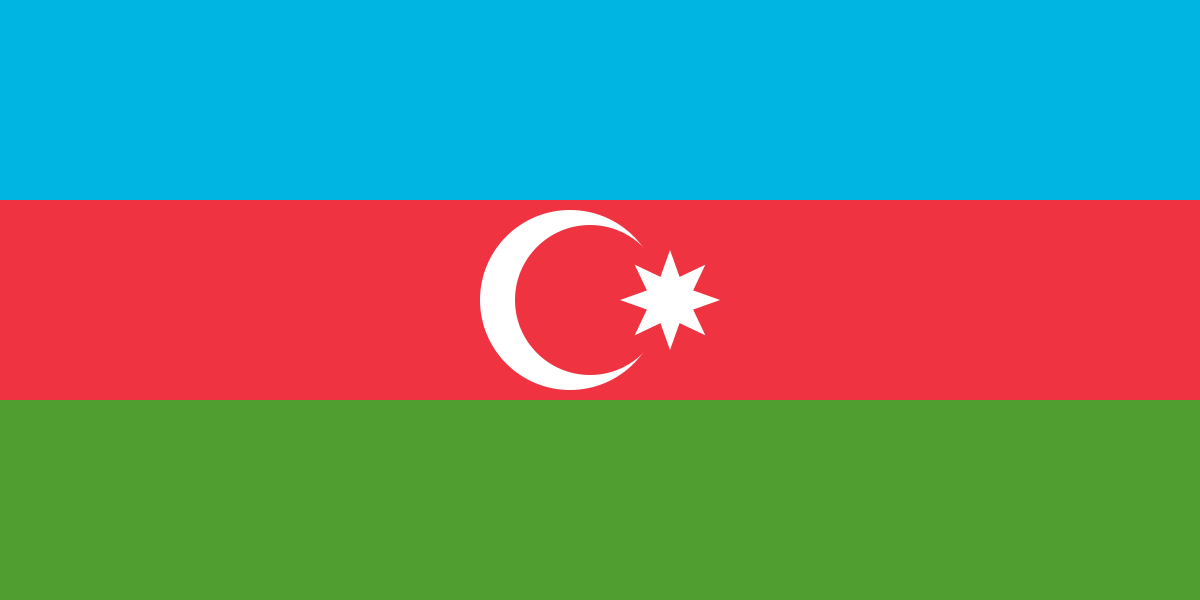
Azerbaijan is a South Caucasus country on the Caspian Sea, blending Soviet, Persian and Turkic influences with vast oil and gas wealth that funded Baku's striking modern skyline.