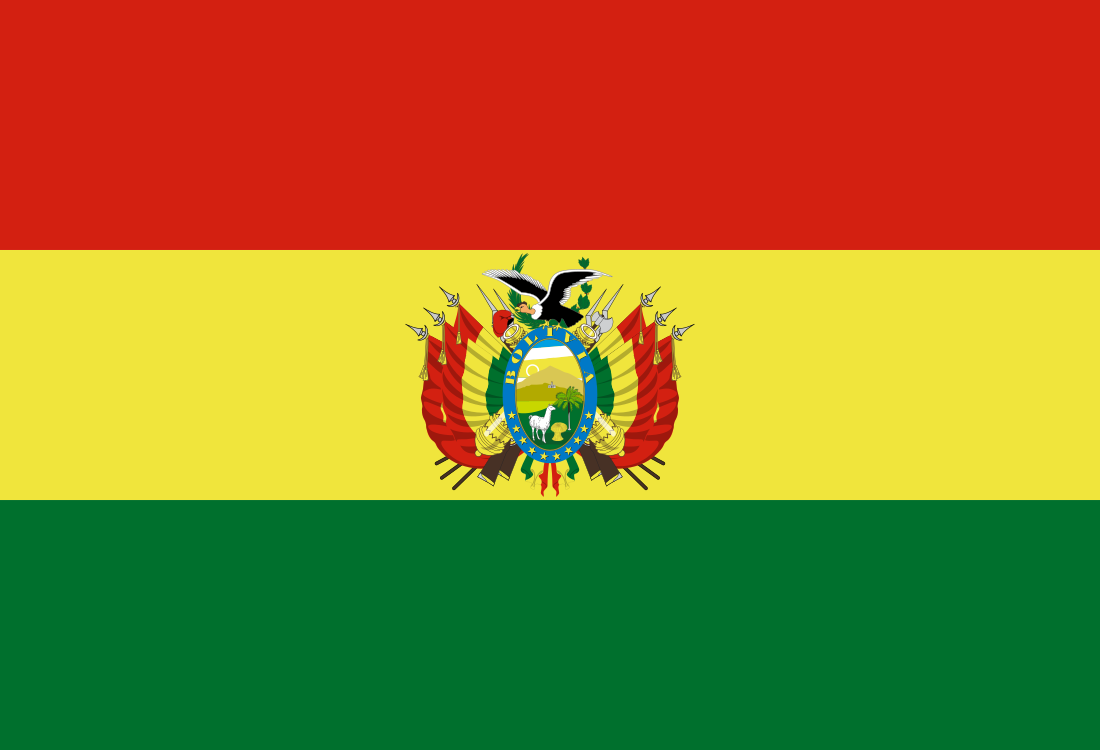
Country
Bolivia
Bolivia is a landlocked South American country with the constitutional capital of Sucre and seat of government La Paz, the highest capital in the world, and the surreal Salar de Uyuni salt flats.
Bolivia is a landlocked South American country with the constitutional capital of Sucre and seat of government La Paz, the highest capital in the world, and the surreal Salar de Uyuni salt flats.
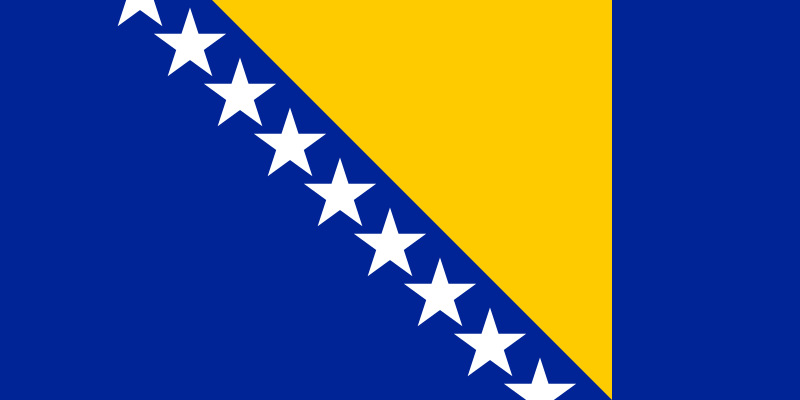
Bosnia and Herzegovina sits at the crossroads of Eastern and Western Europe in the western Balkans, with Sarajevo's Ottoman quarter, Austro-Hungarian boulevards and rugged Dinaric mountains.
Botswana is a landlocked Southern African country dominated by the Kalahari Desert and the Okavango Delta, with one of the most stable democracies and well-managed diamond economies on the continent.
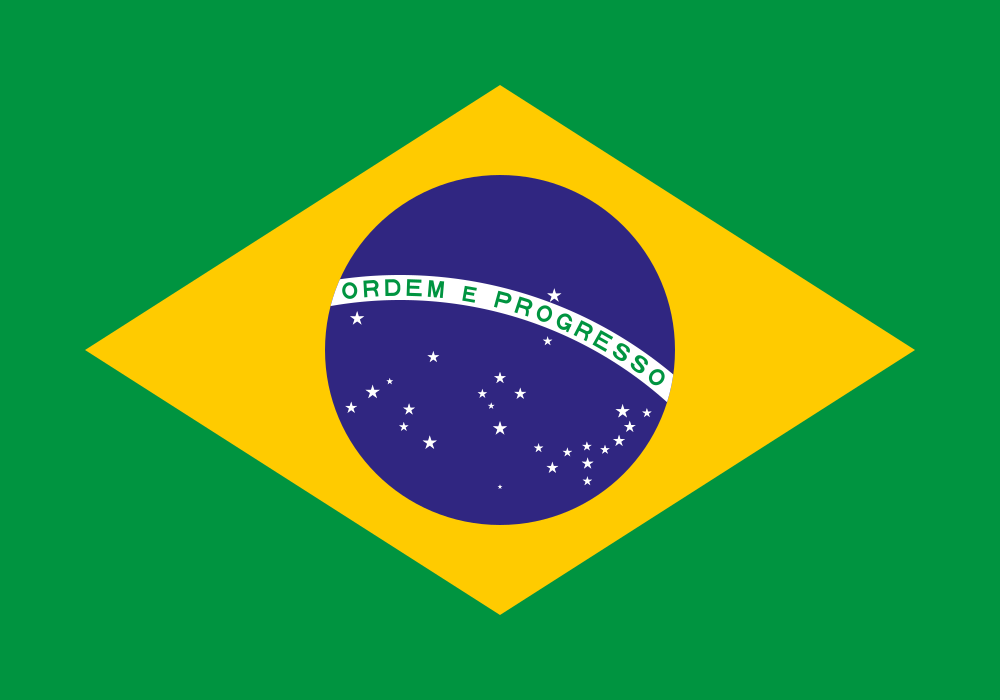
Brazil is the largest country in South America and the world's fifth-largest by area, dominating the continent with the Amazon rainforest, Atlantic megacities like Rio and São Paulo, and a culture defined by samba and football.
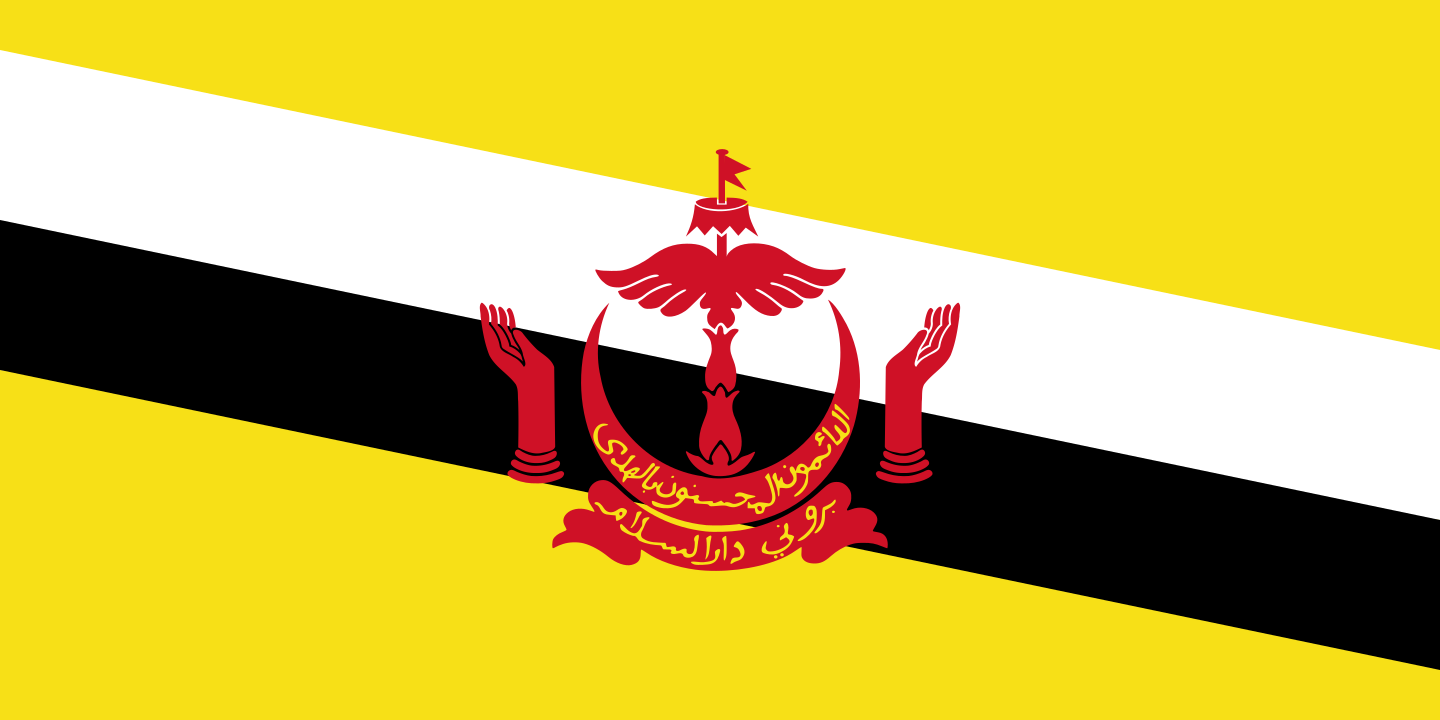
Brunei is a small oil-rich sultanate on the north coast of Borneo, surrounded on land by Malaysian Sarawak and famed for the gilded splendour of its mosques and the Sultan's palace.
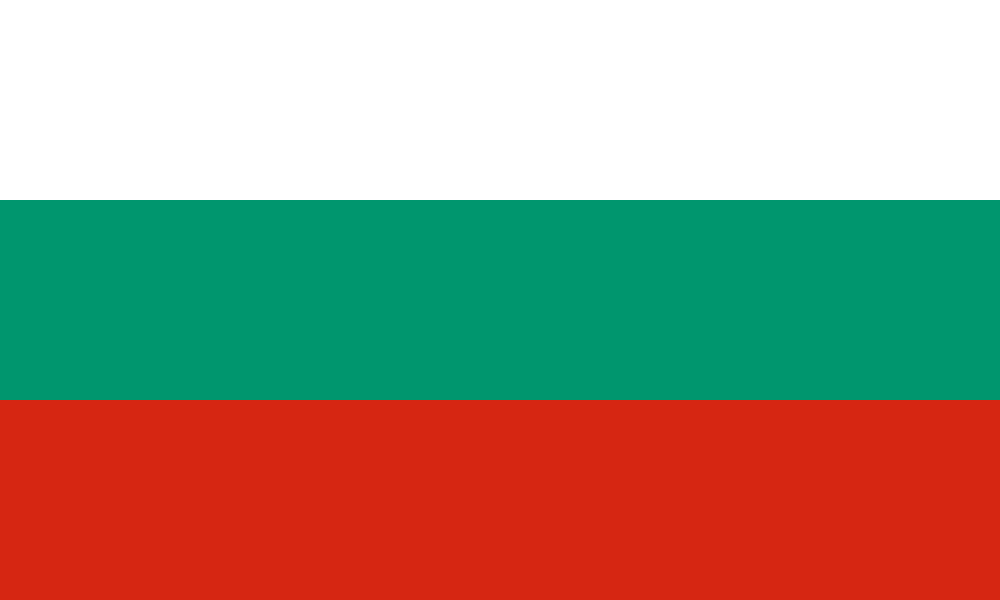
Bulgaria is a Balkan nation on the Black Sea coast with a 1,300-year history, Thracian and Ottoman heritage, and the Cyrillic alphabet which originated within its borders.
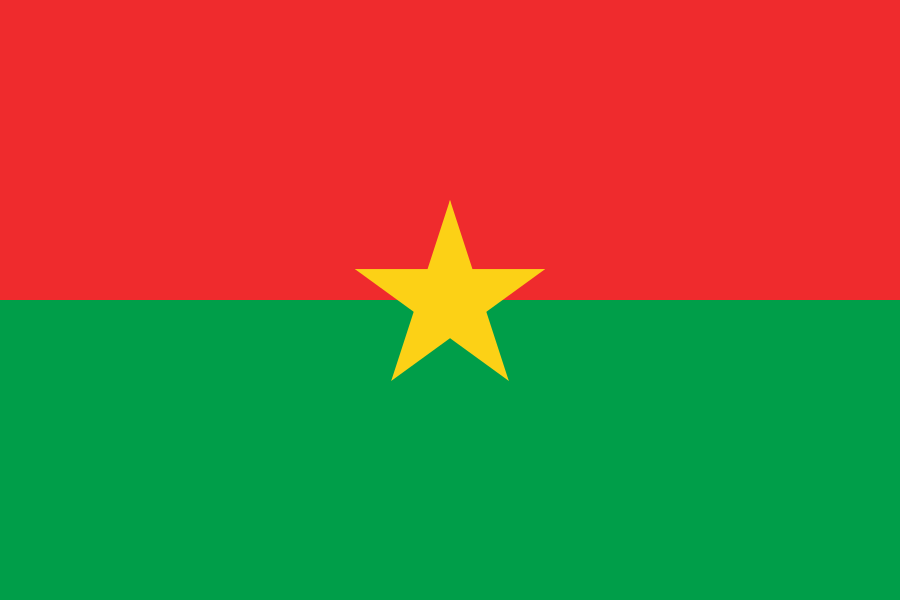
Burkina Faso is a landlocked West African nation in the Sahel, with a population dominated by the Mossi people and a name meaning 'Land of Honest People' adopted in 1984.
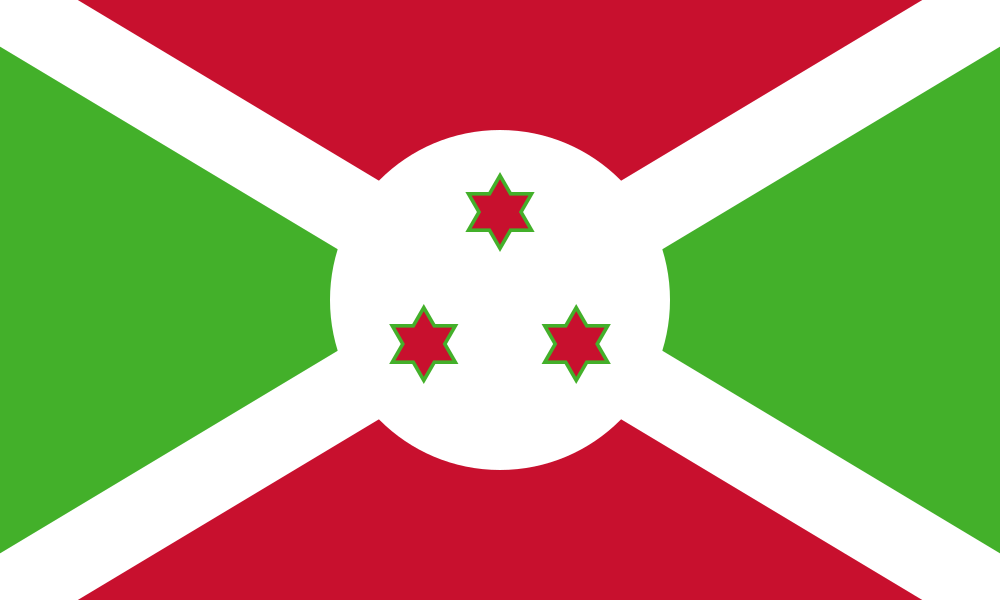
Burundi is a small landlocked East African country south of Rwanda, with a hilly green interior, the southern shore of Lake Tanganyika and one of the world's lowest GDPs per capita.
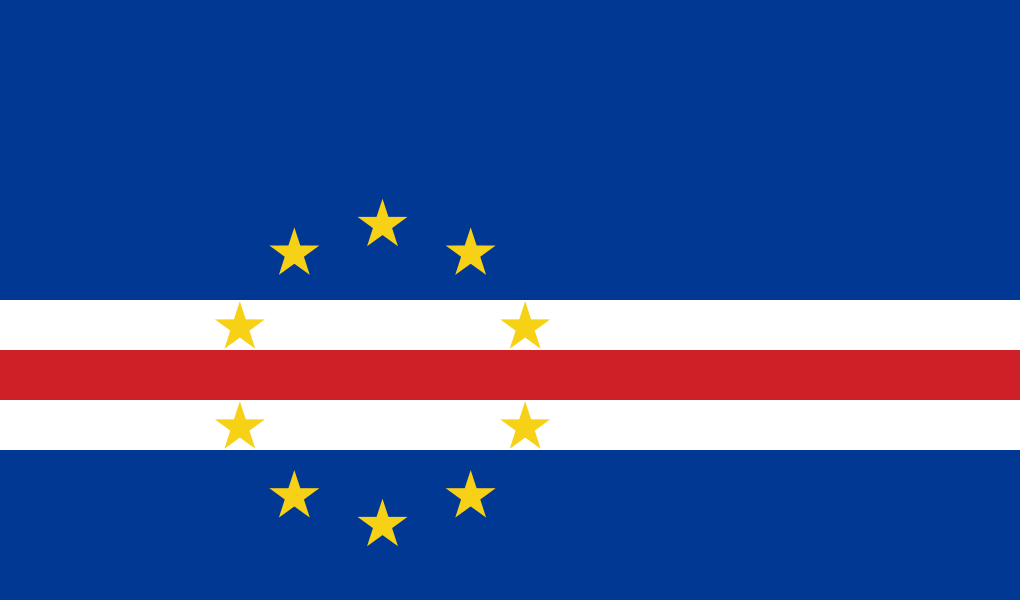
Cabo Verde (Cape Verde) is a Portuguese-speaking volcanic archipelago about 600 km off the coast of West Africa, famous for stable democracy, distinct Crioulo culture and the music of Cesária Évora.