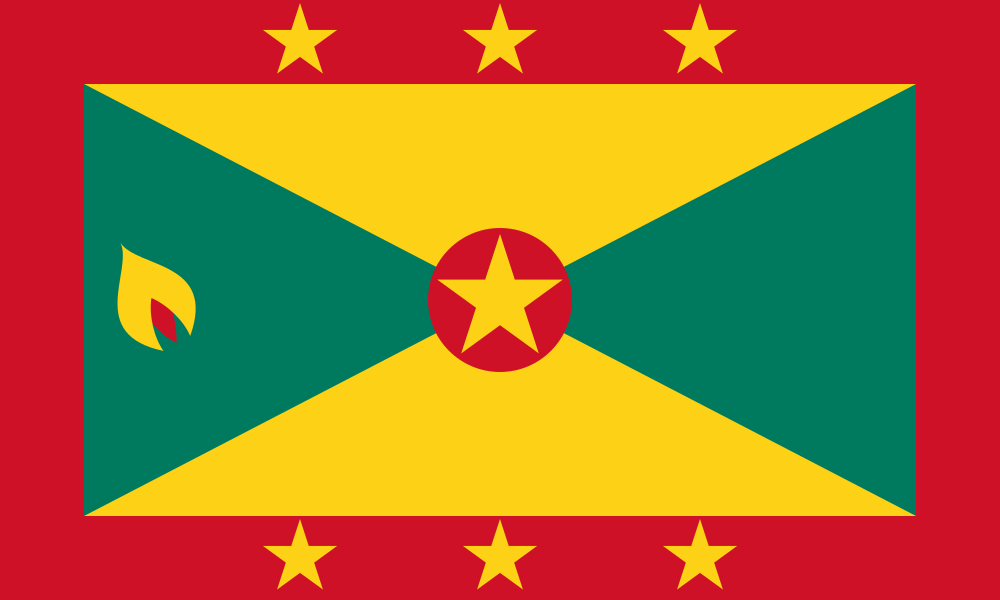
Country
Grenada
Grenada is the southernmost of the Windward Islands in the Caribbean, nicknamed the 'Spice Isle' for its nutmeg, mace and cinnamon plantations, with a tri-island state including Carriacou and Petite Martinique.
Grenada is the southernmost of the Windward Islands in the Caribbean, nicknamed the 'Spice Isle' for its nutmeg, mace and cinnamon plantations, with a tri-island state including Carriacou and Petite Martinique.
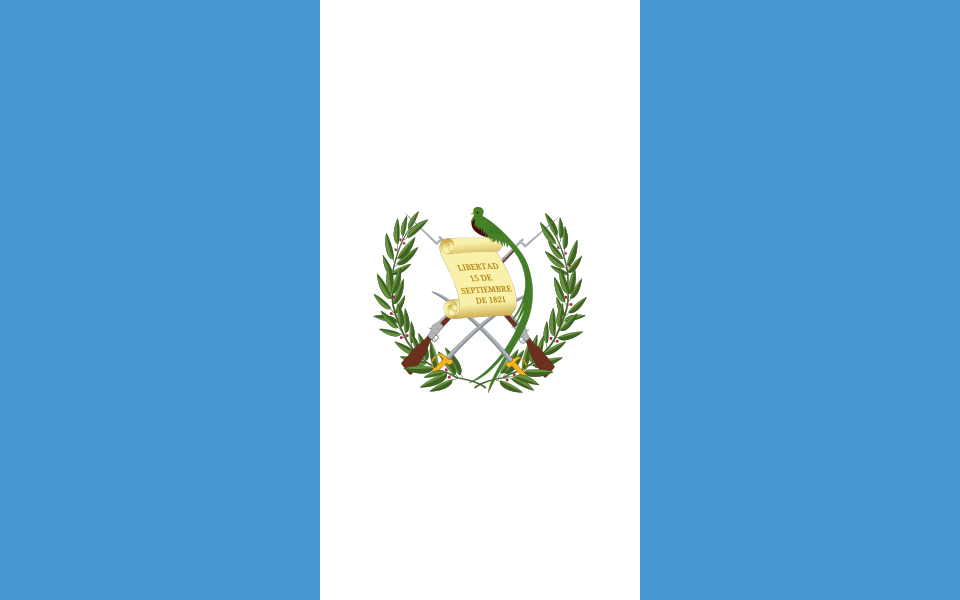
Guatemala is the most populous Central American country, with the colonial city of Antigua, the indigenous Maya highlands, and the great Mayan ruins of Tikal rising above the Petén jungle.
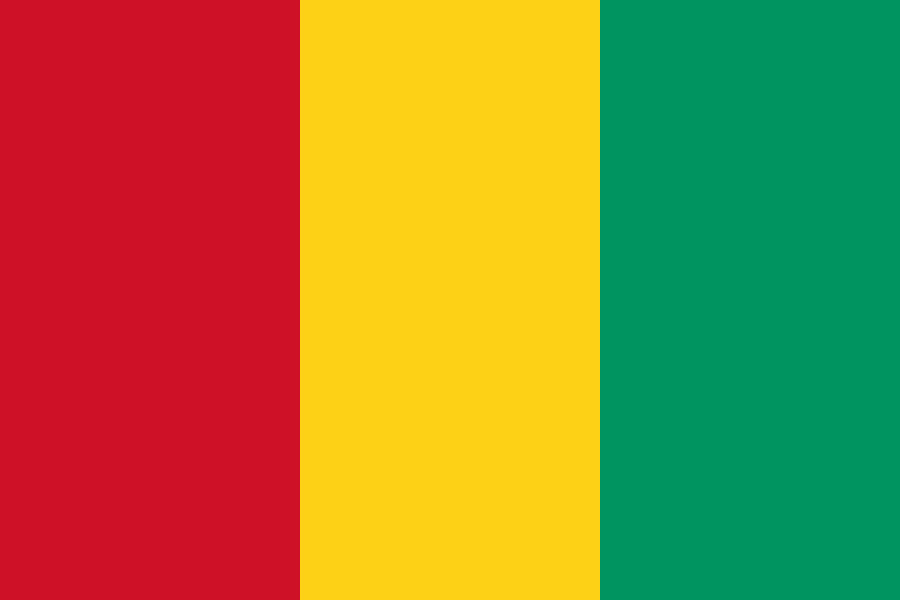
Guinea is a West African nation on the Atlantic coast, holding roughly half the world's bauxite reserves, and is home to the Fouta Djallon highlands often called West Africa's water tower.
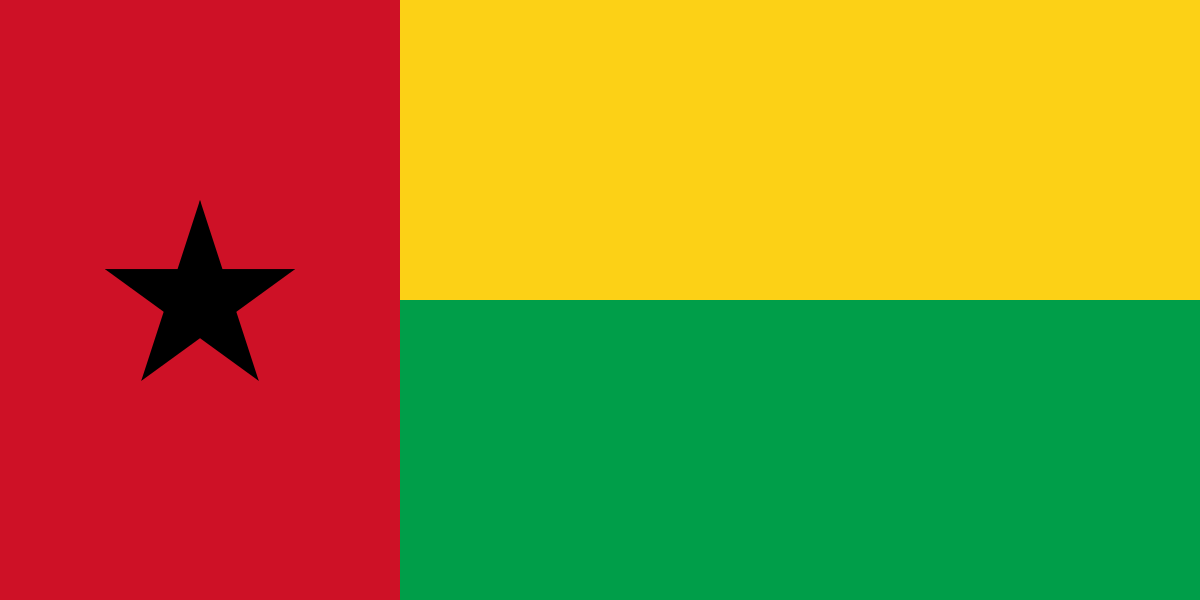
Guinea-Bissau is a small Portuguese-speaking West African coastal nation with the picturesque Bijagós Archipelago and a turbulent post-independence political history.
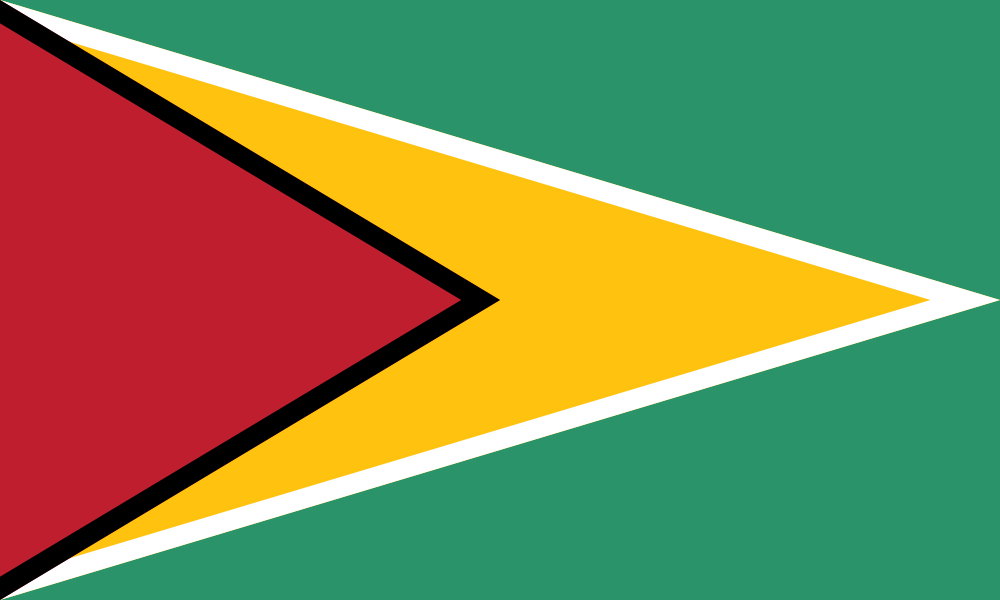
Guyana is the only English-speaking country in South America, on the north-east Atlantic coast, with vast Amazonian rainforest, the spectacular Kaieteur Falls and a recent oil-driven economic boom.
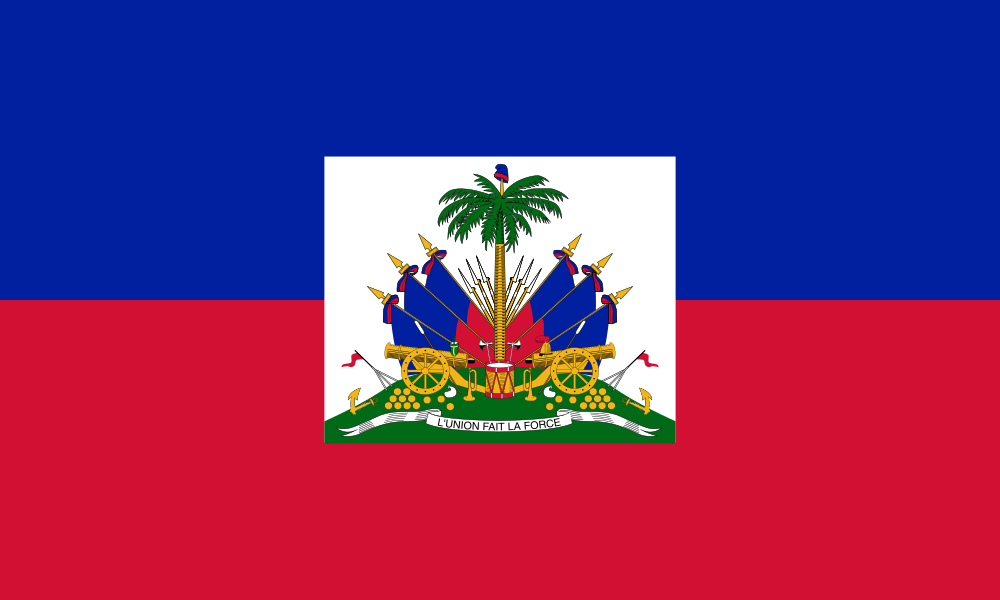
Haiti occupies the western third of Hispaniola Island, sharing its border with the Dominican Republic, and is the world's first independent black republic, founded by formerly enslaved people in 1804.
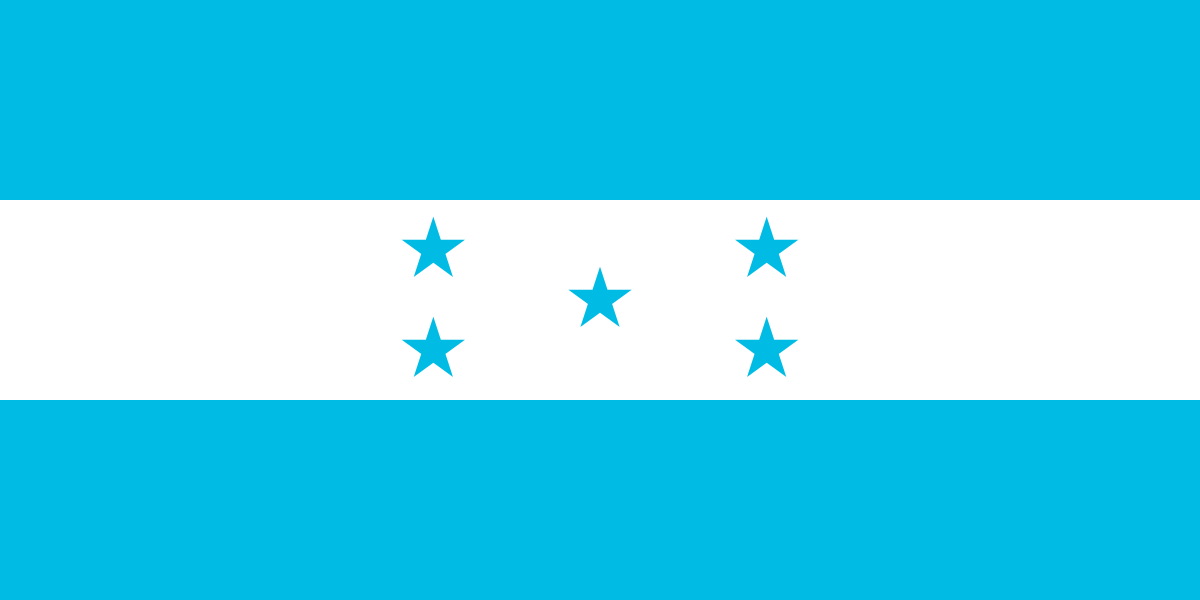
Honduras is a Central American country with both Caribbean and Pacific coasts, the spectacular Mayan ruins of Copán in its western highlands, and the Bay Islands' world-class diving offshore.
Hungary is a landlocked Central European nation famed for the Danube splitting Budapest into hilly Buda and flat Pest, and for thermal baths, paprika cuisine and a language unrelated to its neighbours.
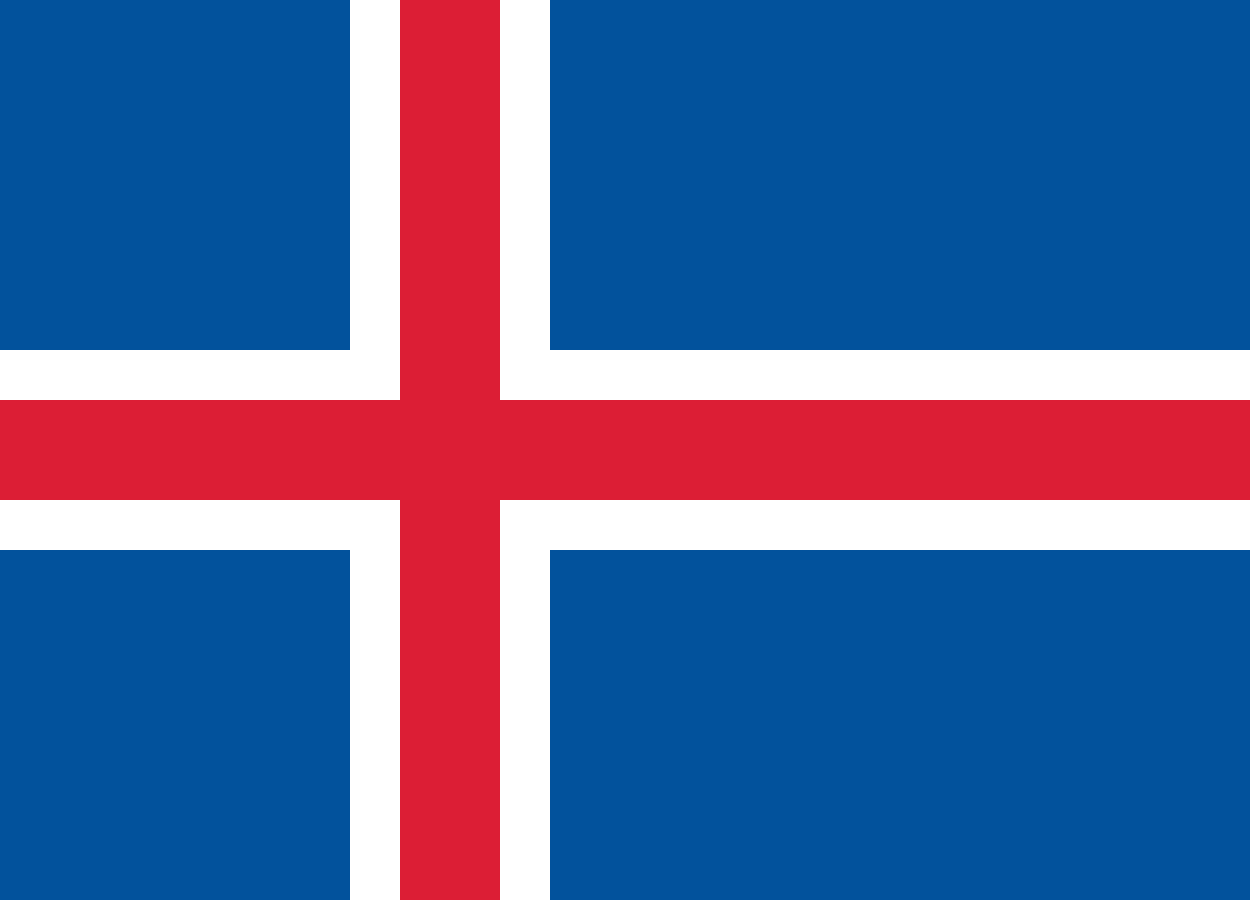
Iceland is a North Atlantic island nation where active volcanoes, glaciers, geysers and black-sand beaches sit side by side, and Reykjavik is the world's northernmost capital of a sovereign state.