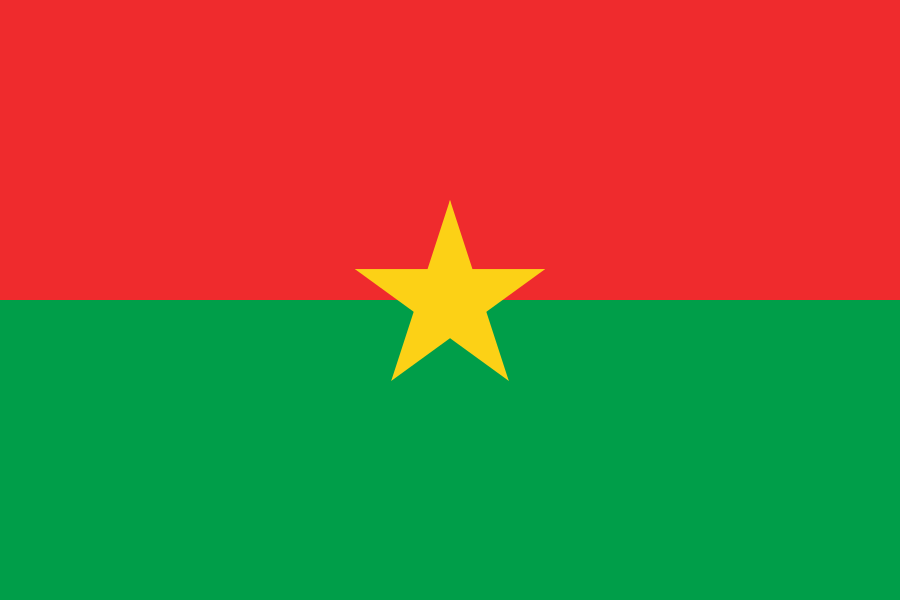
Country
Burkina Faso
Burkina Faso is a landlocked West African nation in the Sahel, with a population dominated by the Mossi people and a name meaning 'Land of Honest People' adopted in 1984.
Burkina Faso is a landlocked West African nation in the Sahel, with a population dominated by the Mossi people and a name meaning 'Land of Honest People' adopted in 1984.
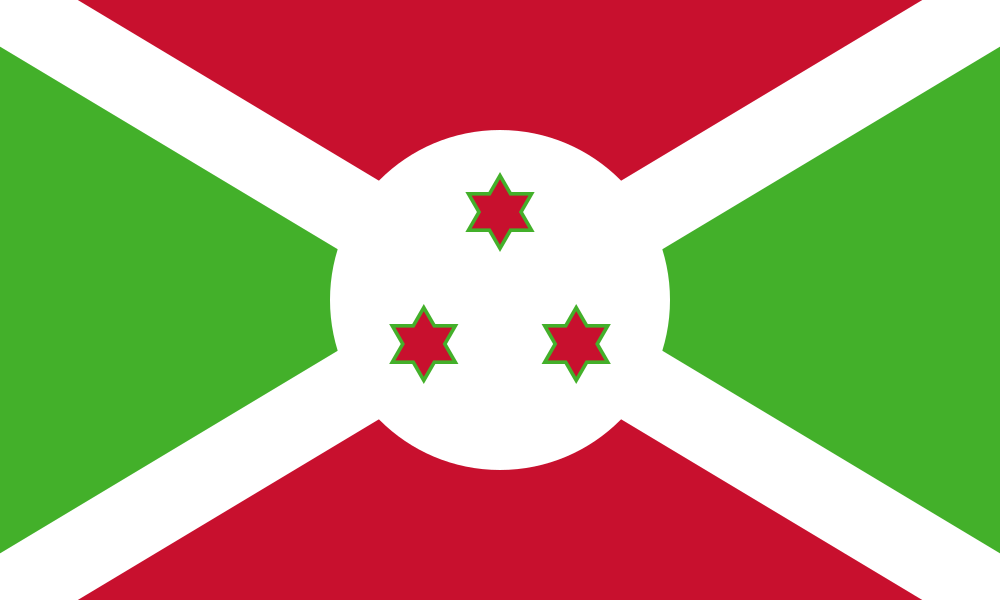
Burundi is a small landlocked East African country south of Rwanda, with a hilly green interior, the southern shore of Lake Tanganyika and one of the world's lowest GDPs per capita.
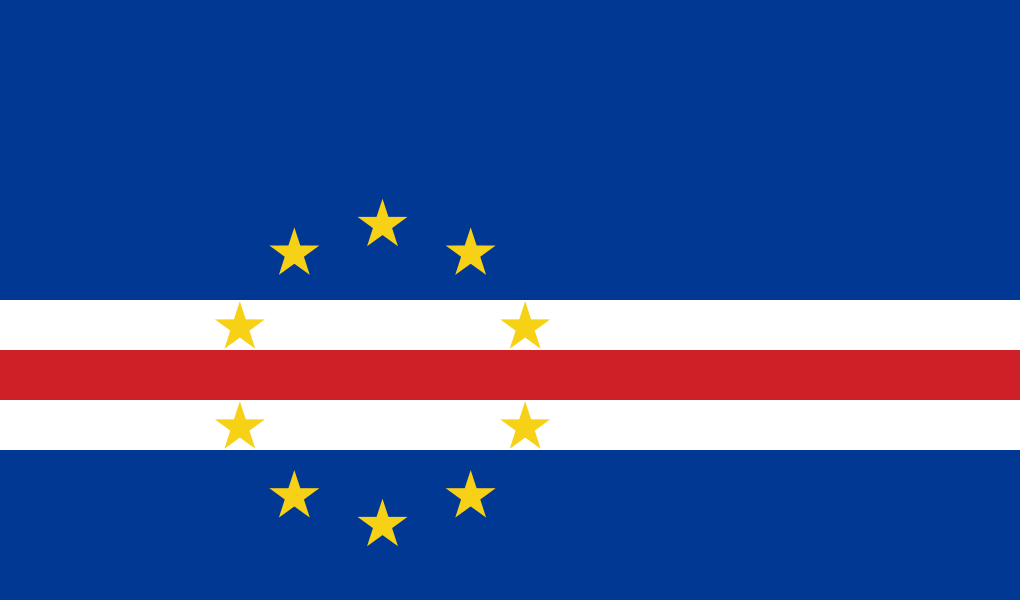
Cabo Verde (Cape Verde) is a Portuguese-speaking volcanic archipelago about 600 km off the coast of West Africa, famous for stable democracy, distinct Crioulo culture and the music of Cesária Évora.
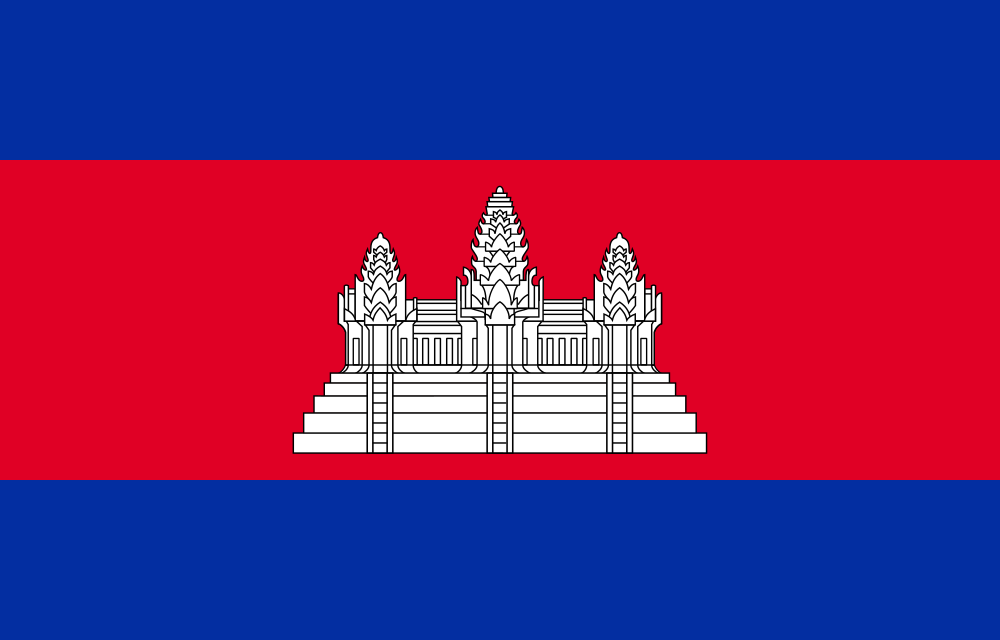
Cambodia is a Southeast Asian kingdom on the Mekong, world-famous for the temple complex of Angkor Wat — the largest religious monument ever built — and a 20th-century tragedy under the Khmer Rouge.
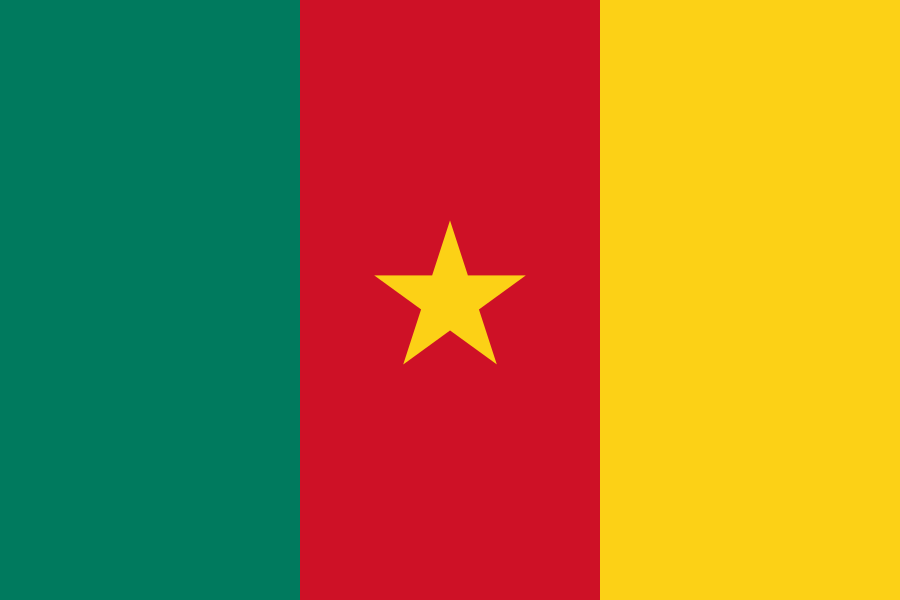
Cameroon is often called 'Africa in miniature' for its geographic and cultural variety, ranging from Atlantic beaches to Sahel savannah, with both English and French as official languages.
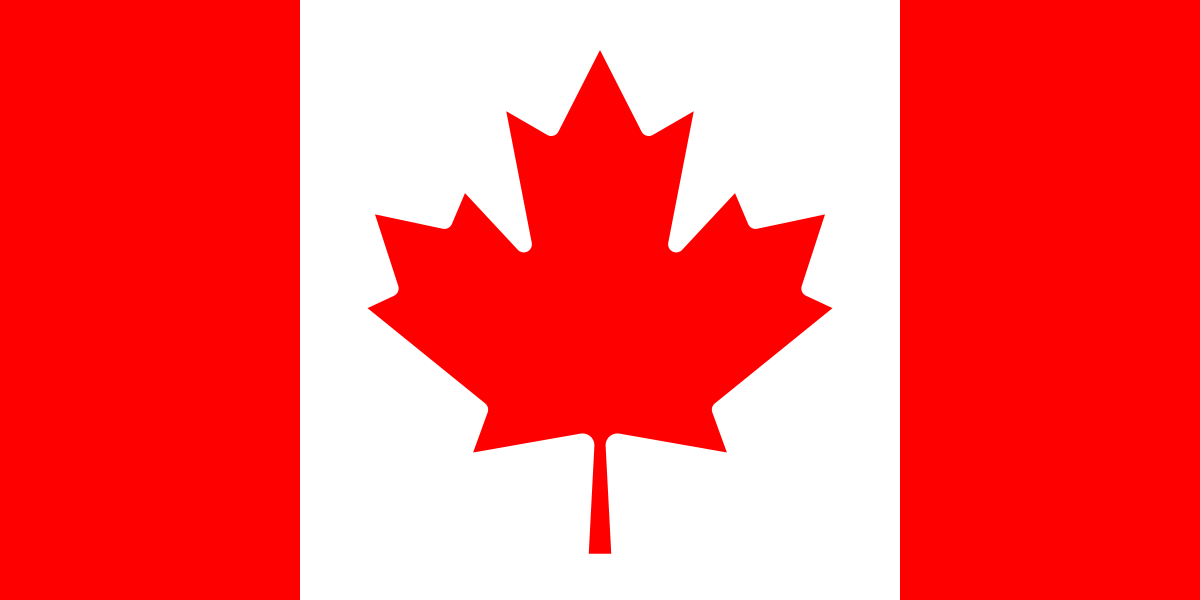
Canada is the second-largest country in the world by area, occupying most of northern North America, bilingual in English and French, with the largest coastline of any country and a tiny population for its size.
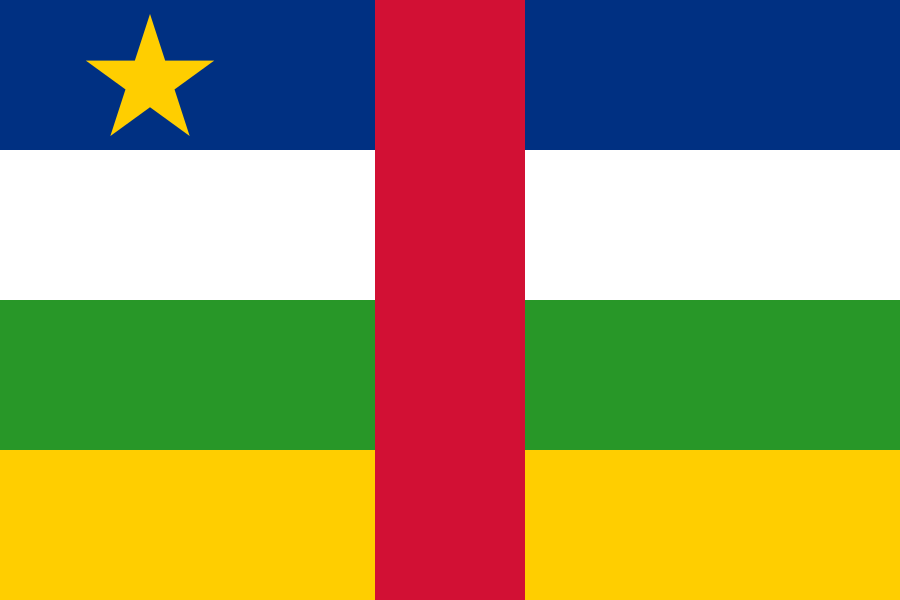
The Central African Republic is a landlocked country in the heart of Africa, named for its position on the continent, with vast equatorial forests and a population of fewer than 6 million people.
Chad is a vast landlocked country in north-central Africa, stretching from the Saharan north to the Sahel and the wetlands surrounding the rapidly shrinking Lake Chad.
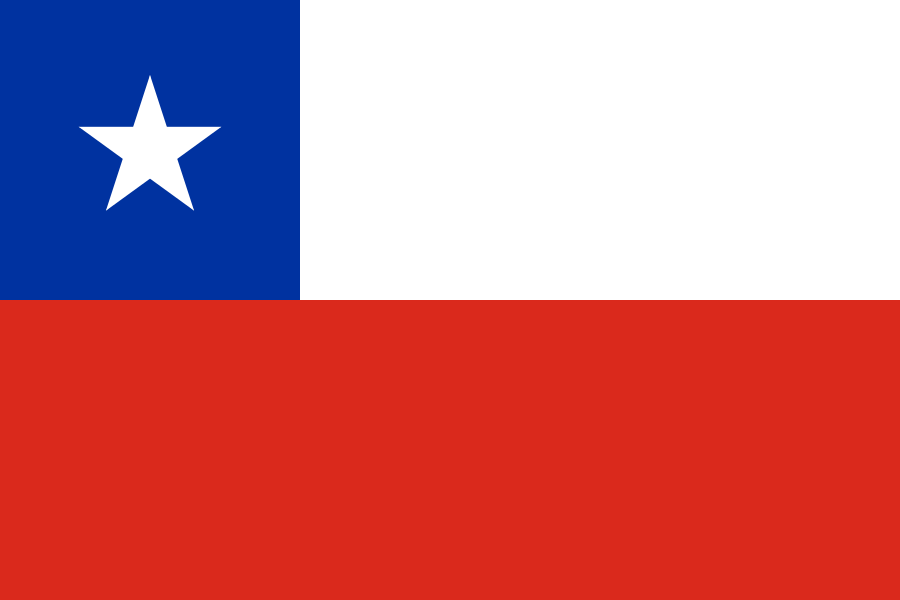
Chile is a long, narrow ribbon of a country running 4,300 km along the Pacific coast of South America, from the Atacama Desert to Tierra del Fuego, with the Andes forming its eastern border.