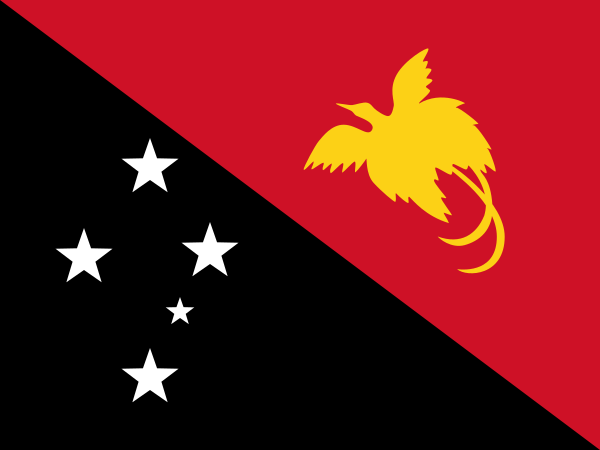
Country
Papua New Guinea
Papua New Guinea occupies the eastern half of New Guinea — the world's second-largest island — with the most linguistic diversity on Earth, dense rainforest, and tribal cultures still practising traditional ways of life.
Papua New Guinea occupies the eastern half of New Guinea — the world's second-largest island — with the most linguistic diversity on Earth, dense rainforest, and tribal cultures still practising traditional ways of life.
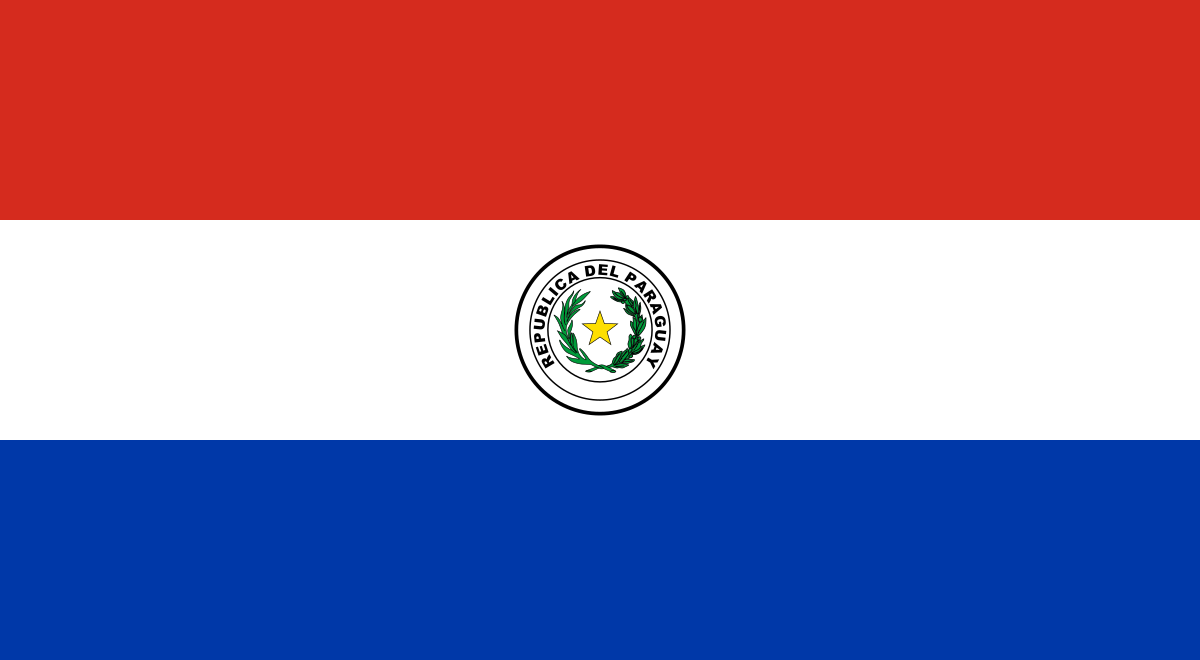
Paraguay is a landlocked South American country bordered by Argentina, Brazil and Bolivia, with the great Itaipú hydroelectric dam, vast Chaco wilderness in the west and a Spanish-Guaraní bilingual heritage.
Peru is a Pacific-coast South American country with the most enduring Andean cultures, the lost Inca city of Machu Picchu, the desert Nazca Lines, and the source of the Amazon River.
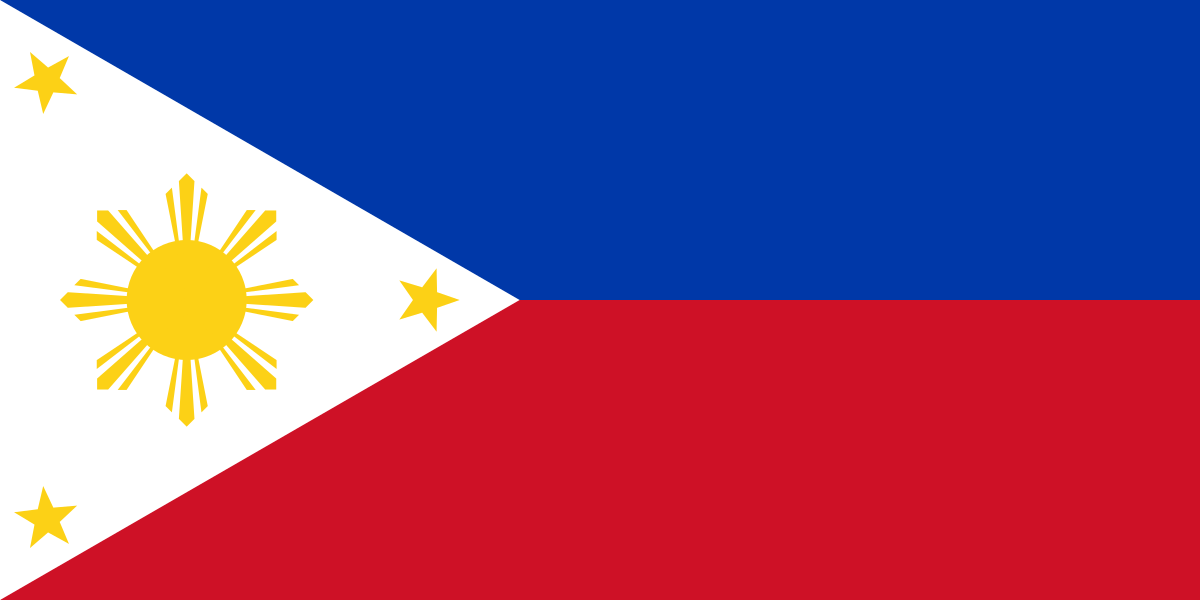
The Philippines is a 7,640-island Southeast Asian archipelago, the world's third-largest English-speaking nation, with a Spanish-Catholic colonial heritage layered onto Malay and Pacific traditions.
Poland is the sixth-most-populous EU member, with a Baltic coast, the Białowieża primeval forest, the Tatra mountains, and historic centres in Warsaw, Kraków and Gdańsk that have endured wars and rebuilding.
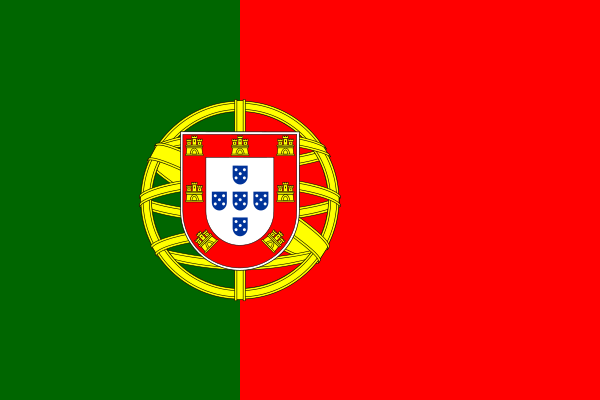
Portugal is the westernmost country of mainland Europe, with a long Atlantic coast, the Madeira and Azores archipelagos, and a maritime history that opened the Age of Discovery to Europe.

Qatar is a small Arabian Peninsula emirate jutting into the Persian Gulf, transformed by natural-gas wealth into a hub of high-rise architecture, global broadcasting and international sport.
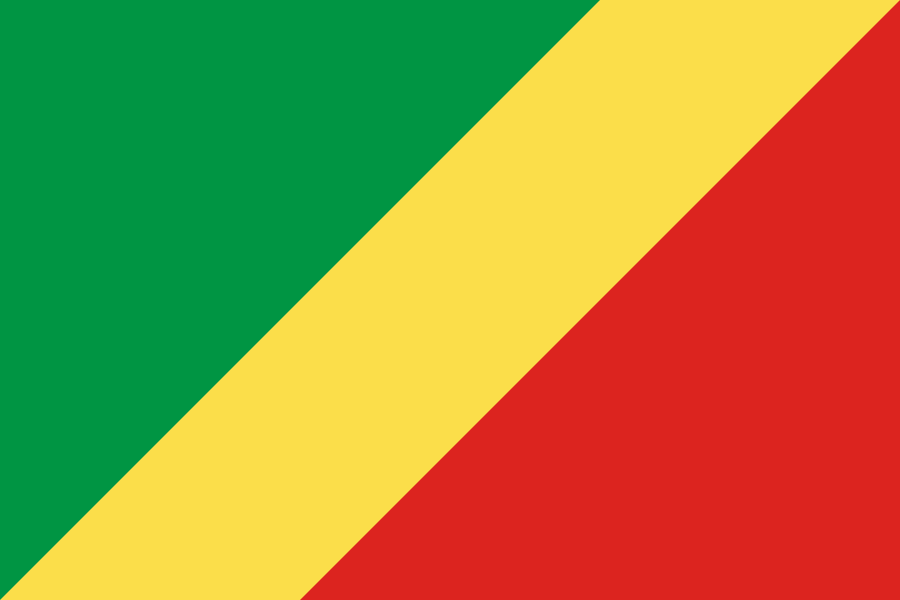
The Republic of the Congo (Congo-Brazzaville) lies west of the Congo River, with a long Atlantic coast, dense equatorial rainforest and a capital that faces the DRC's Kinshasa across the river.
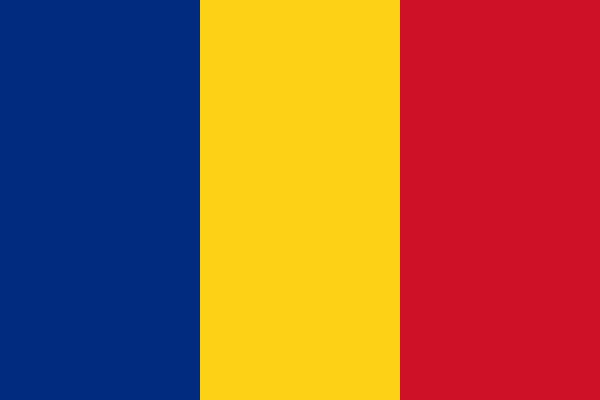
Romania is the largest Balkan country, where the Carpathian arc encloses the historic regions of Transylvania, Wallachia and Moldavia, and the Danube reaches the Black Sea through one of Europe's last great deltas.