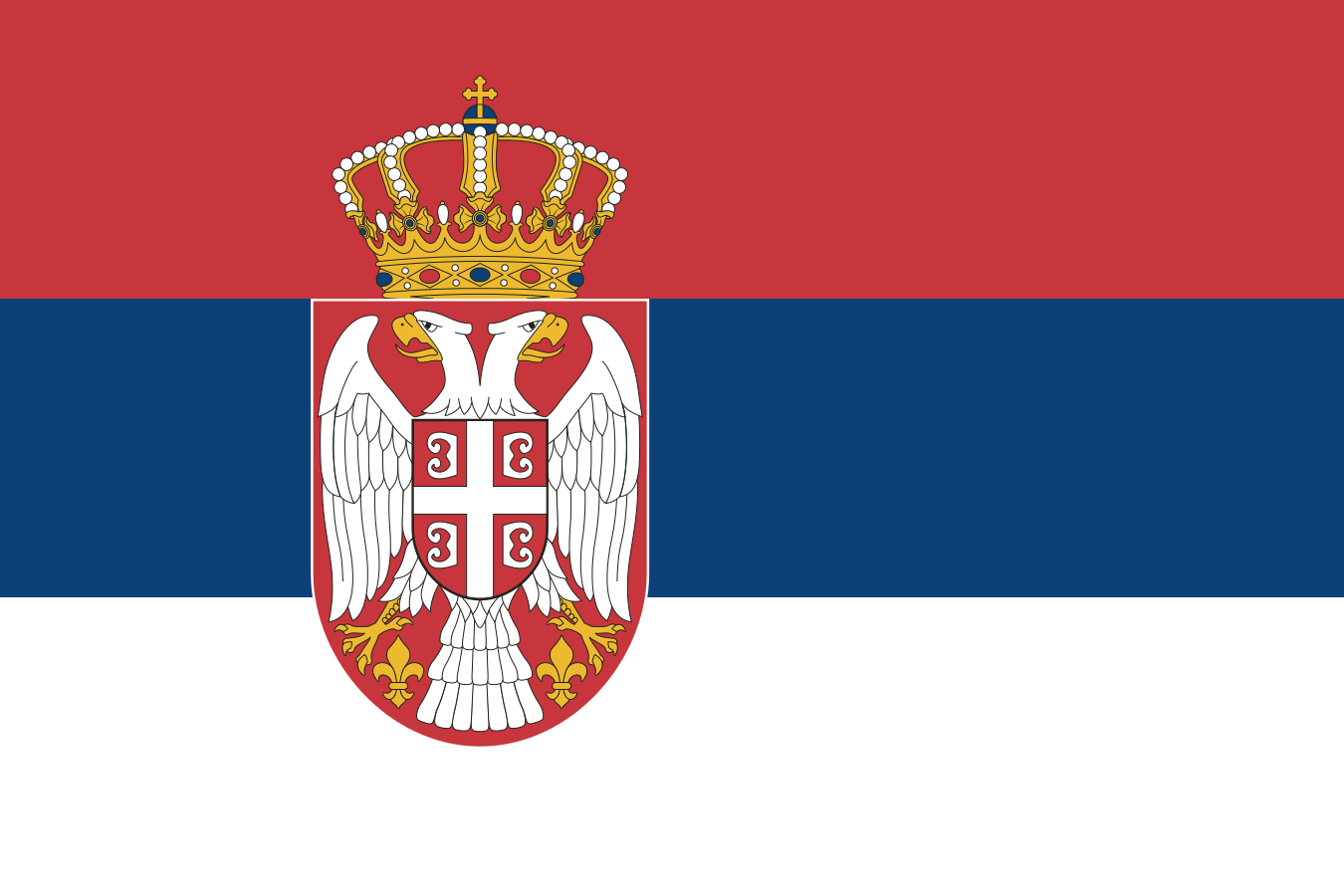
Country
Serbia
Serbia is a landlocked Balkan country at the confluence of the Sava and Danube rivers, with mountainous south, fertile northern Vojvodina plains, and a turbulent 20th-century history at the heart of former Yugoslavia.
Serbia is a landlocked Balkan country at the confluence of the Sava and Danube rivers, with mountainous south, fertile northern Vojvodina plains, and a turbulent 20th-century history at the heart of former Yugoslavia.
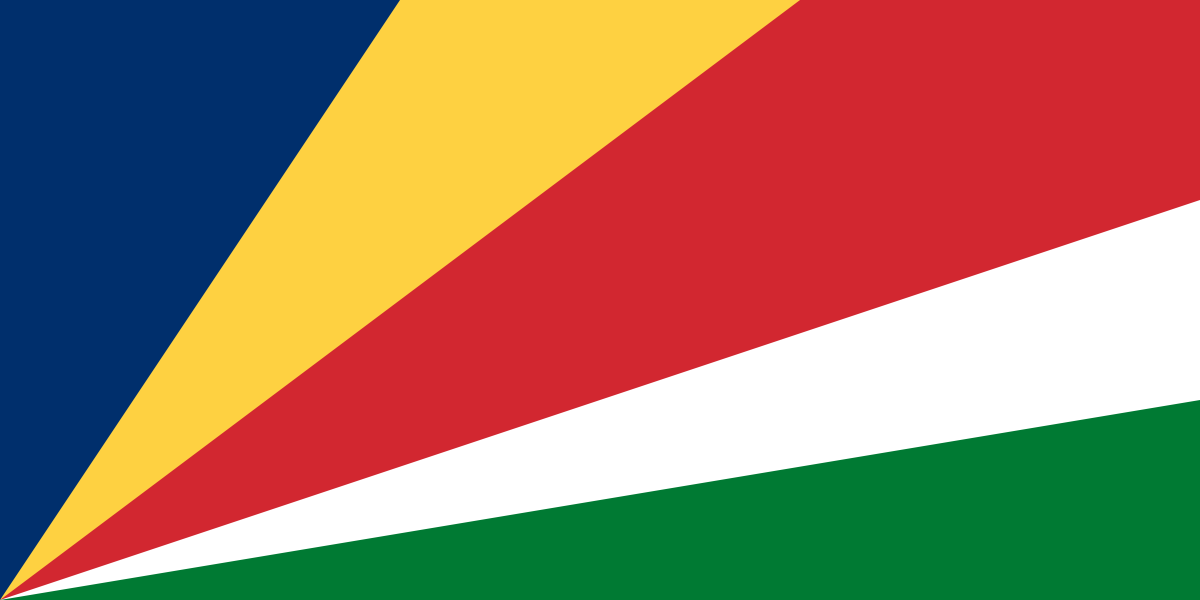
Seychelles is a 115-island archipelago east of Africa in the Indian Ocean, famous for granitic island beaches, the giant Aldabra tortoise, and the rare double coco-de-mer palm.
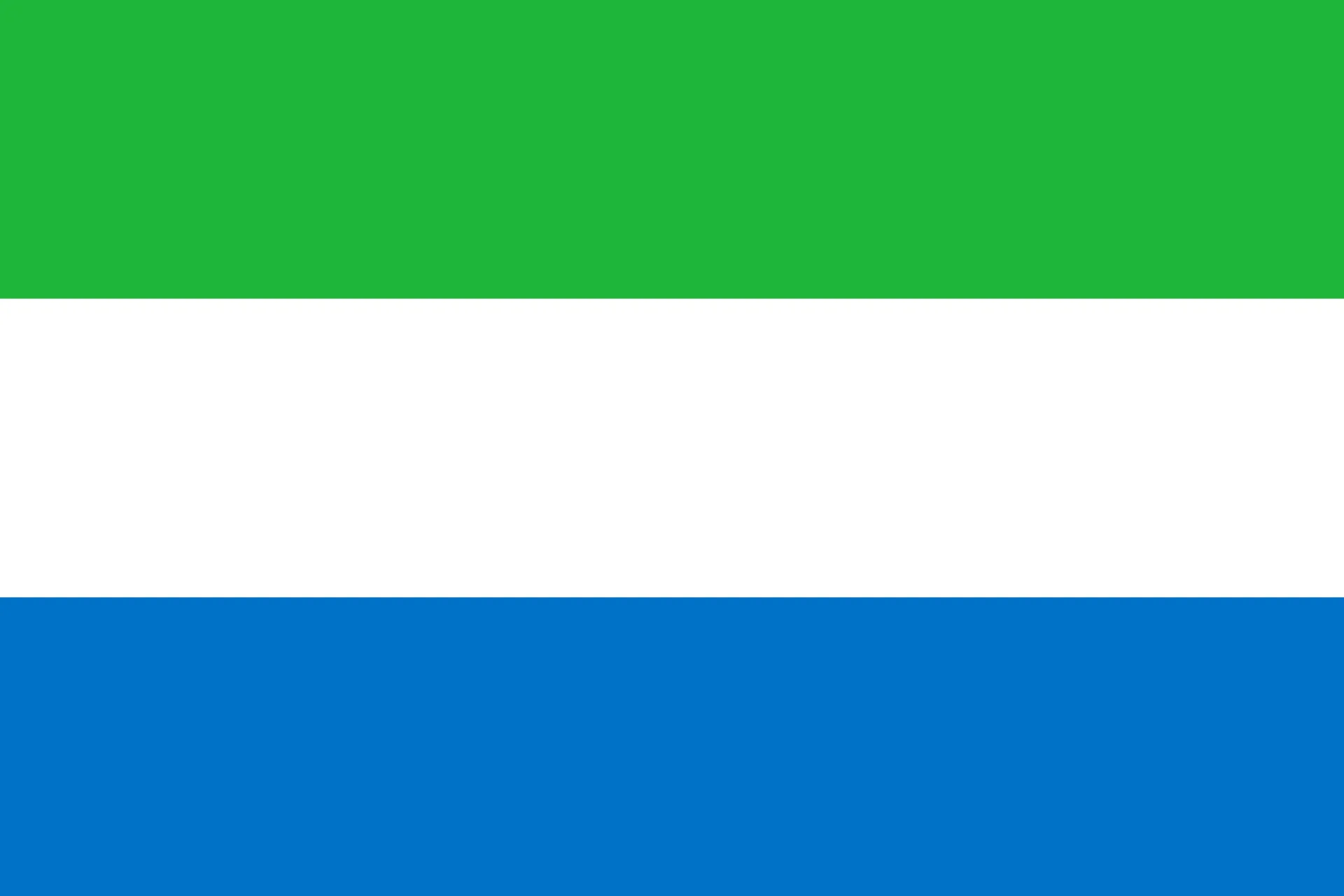
Sierra Leone is a small West African nation on the Atlantic coast, with one of the world's largest natural harbours at Freetown, and a difficult civil-war history followed by stable peace.
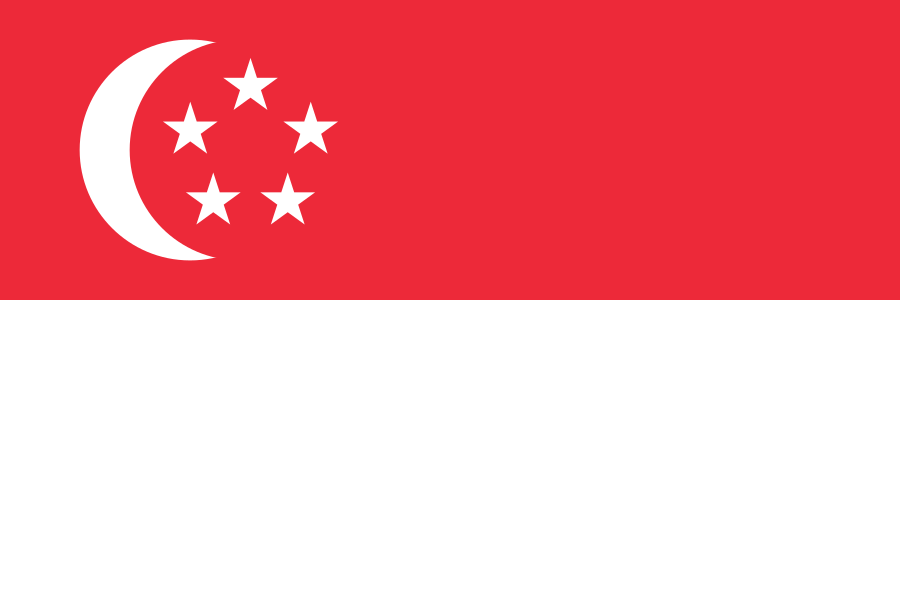
Singapore is a tiny Southeast Asian island city-state at the tip of the Malay Peninsula, transformed since independence in 1965 from a British trading port into one of the world's wealthiest financial and shipping hubs.
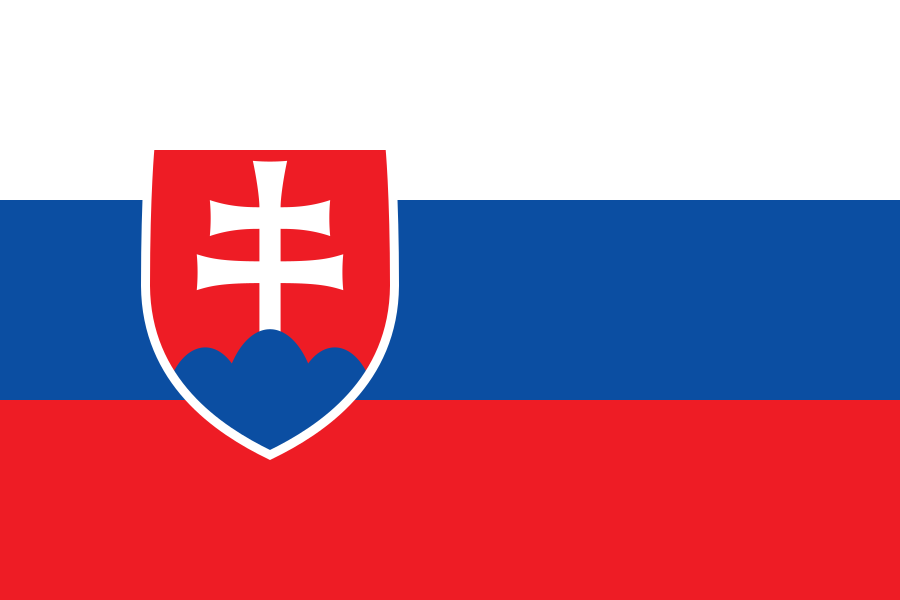
Slovakia is a landlocked Central European country dominated by the Carpathian mountains, with Bratislava on the Danube and one of Europe's highest densities of medieval castles.
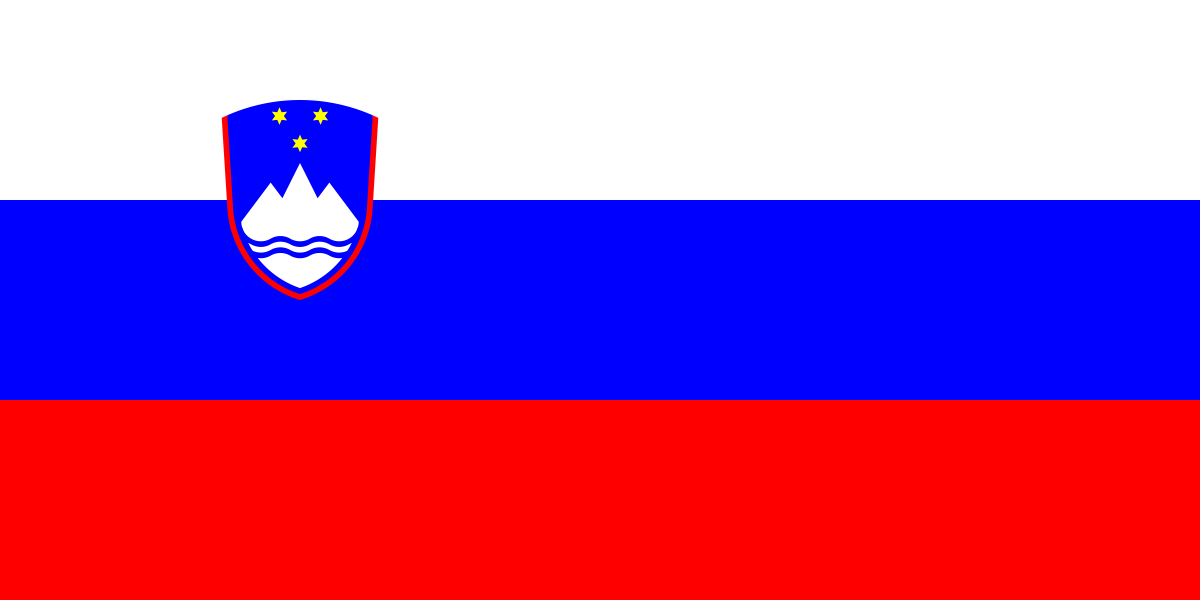
Slovenia is a small Alpine country between Italy, Austria, Hungary and Croatia, packed into a remarkably varied landscape that ranges from coastal Mediterranean to glacial Lake Bled and the Julian Alps.
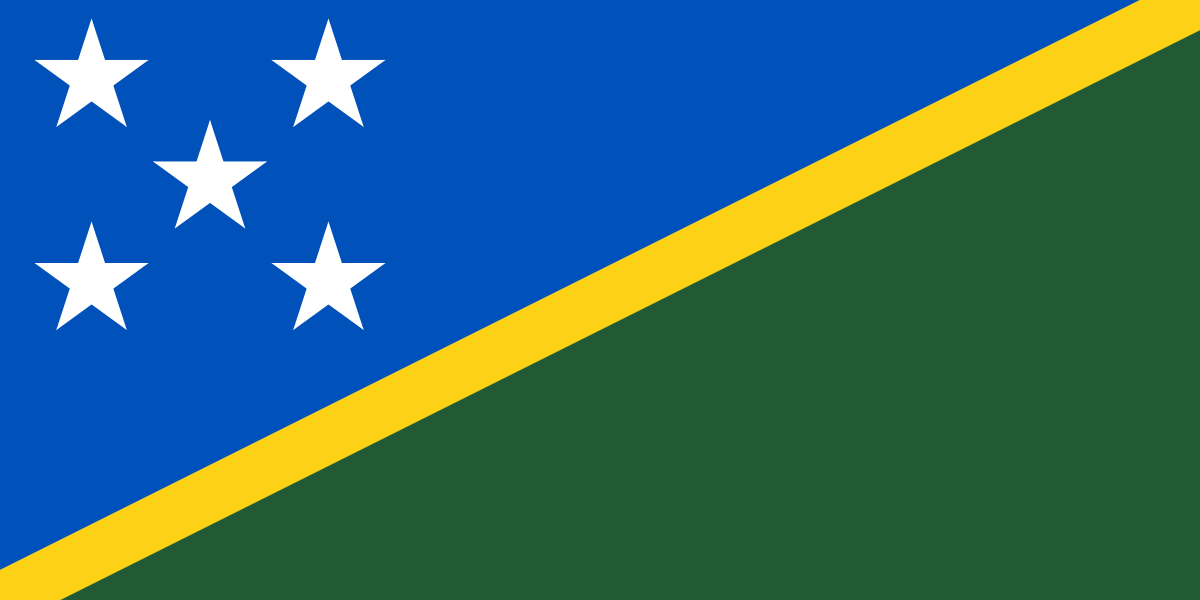
The Solomon Islands is a Melanesian Pacific archipelago of nearly 1,000 islands east of Papua New Guinea, with WWII Pacific theatre history including the Battle of Guadalcanal, and rich coral biodiversity.
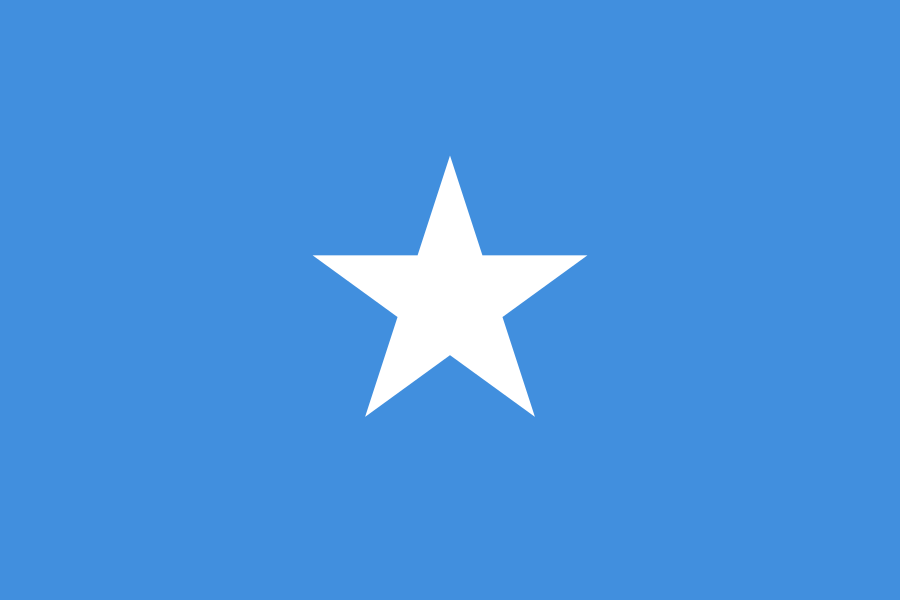
Somalia occupies the easternmost projection of Africa — the Horn of Africa — with the longest mainland coastline on the continent and a history of seafaring trade with the Arabian Peninsula.
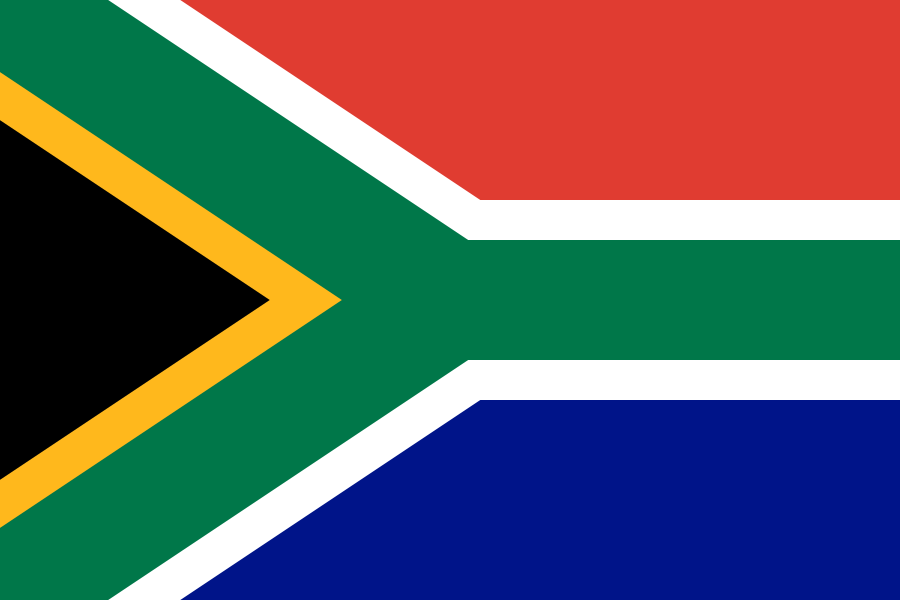
South Africa is a multicultural southern African republic with three capital cities, 11 official languages, the post-apartheid 'Rainbow Nation' identity, and landscapes from the Cape winelands to Kruger National Park.