US State
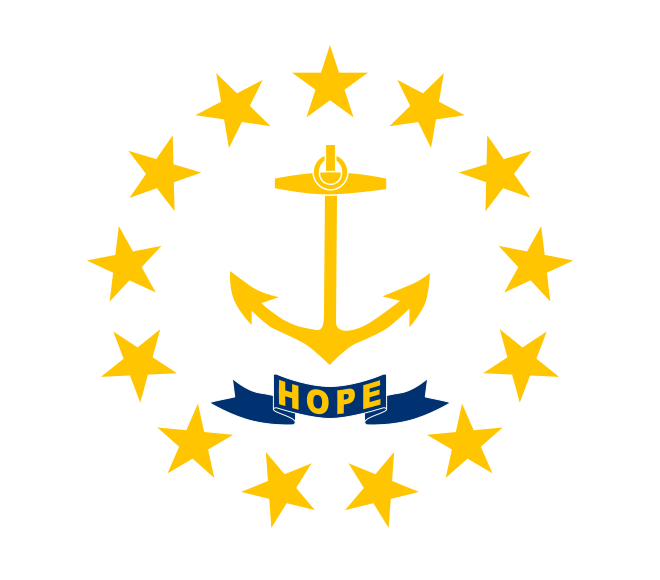
Rhode Island
Rhode Island is the smallest US state by area, but has more than 600 km of coastline, the wealthy Newport Gilded-Age mansions, and was the first colony to declare independence from Britain in May 1776.
Rhode Island is the smallest US state by area, but has more than 600 km of coastline, the wealthy Newport Gilded-Age mansions, and was the first colony to declare independence from Britain in May 1776.
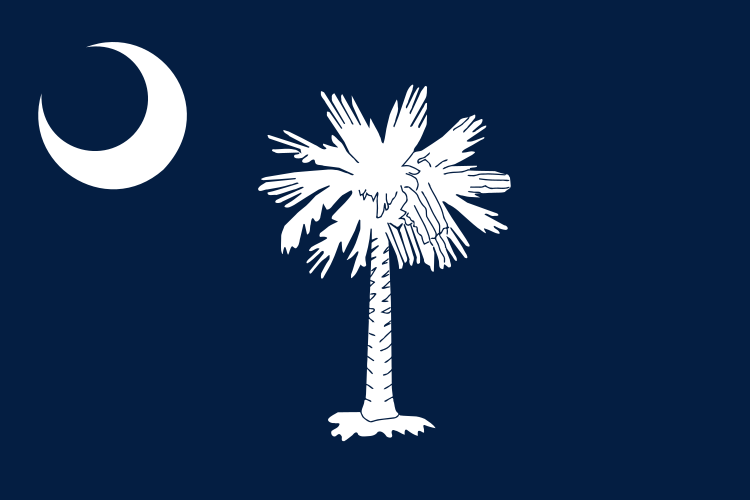
South Carolina is an Atlantic-coast state with the historic colonial city of Charleston, golf-resort beaches at Hilton Head, and Civil-War-era plantations along the Ashley River.
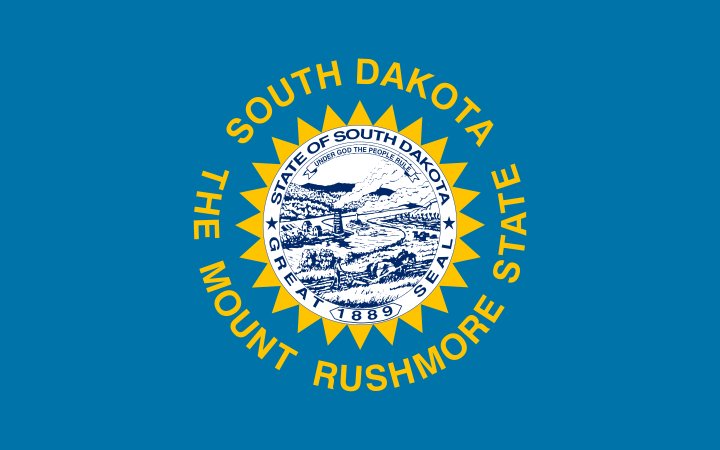
South Dakota is dominated by the Black Hills, Mount Rushmore National Memorial, and the badlands of the Pine Ridge Indian Reservation, home to the Oglala Lakota Sioux.
Tennessee is best known as the home of country music in Nashville, the birthplace of blues and rock 'n' roll in Memphis, and the most-visited US national park (Great Smoky Mountains).
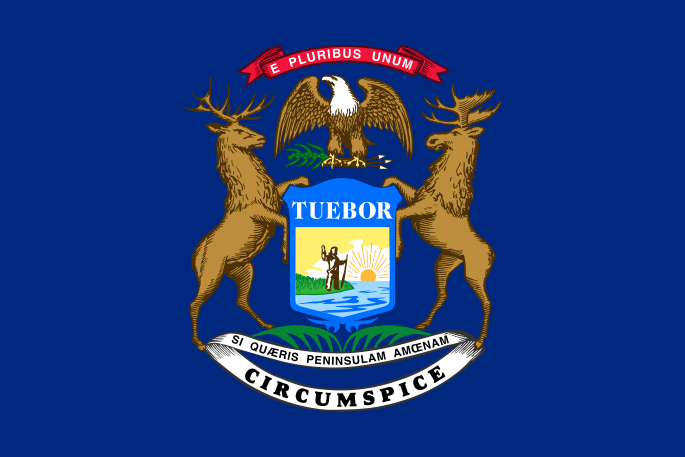
Michigan is divided into two peninsulas surrounded by four of the five Great Lakes, with the city of Detroit famous for the auto industry and Motown music.
Minnesota is famed for its 11,800 lakes (more than '10,000'), the headwaters of the Mississippi River, the Mall of America, and a Scandinavian-American heritage.
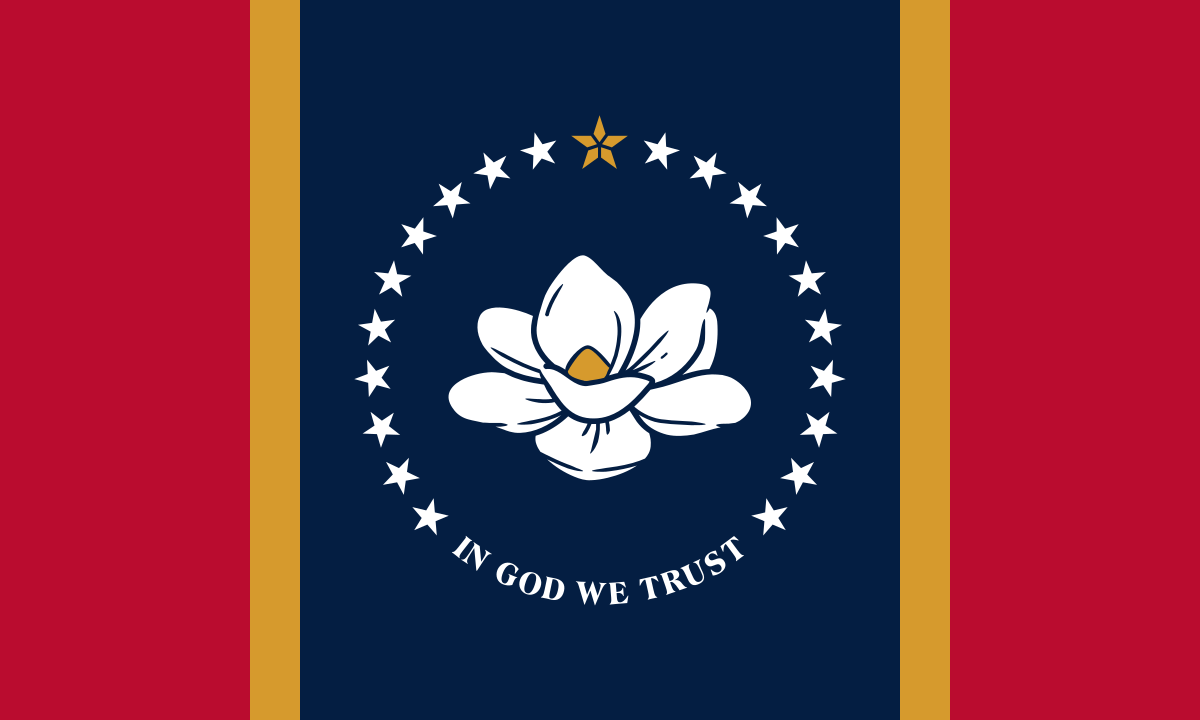
Mississippi is a Deep South state on the Gulf of Mexico, named for the great river that forms its western border, with deep ties to blues music born in the Mississippi Delta.
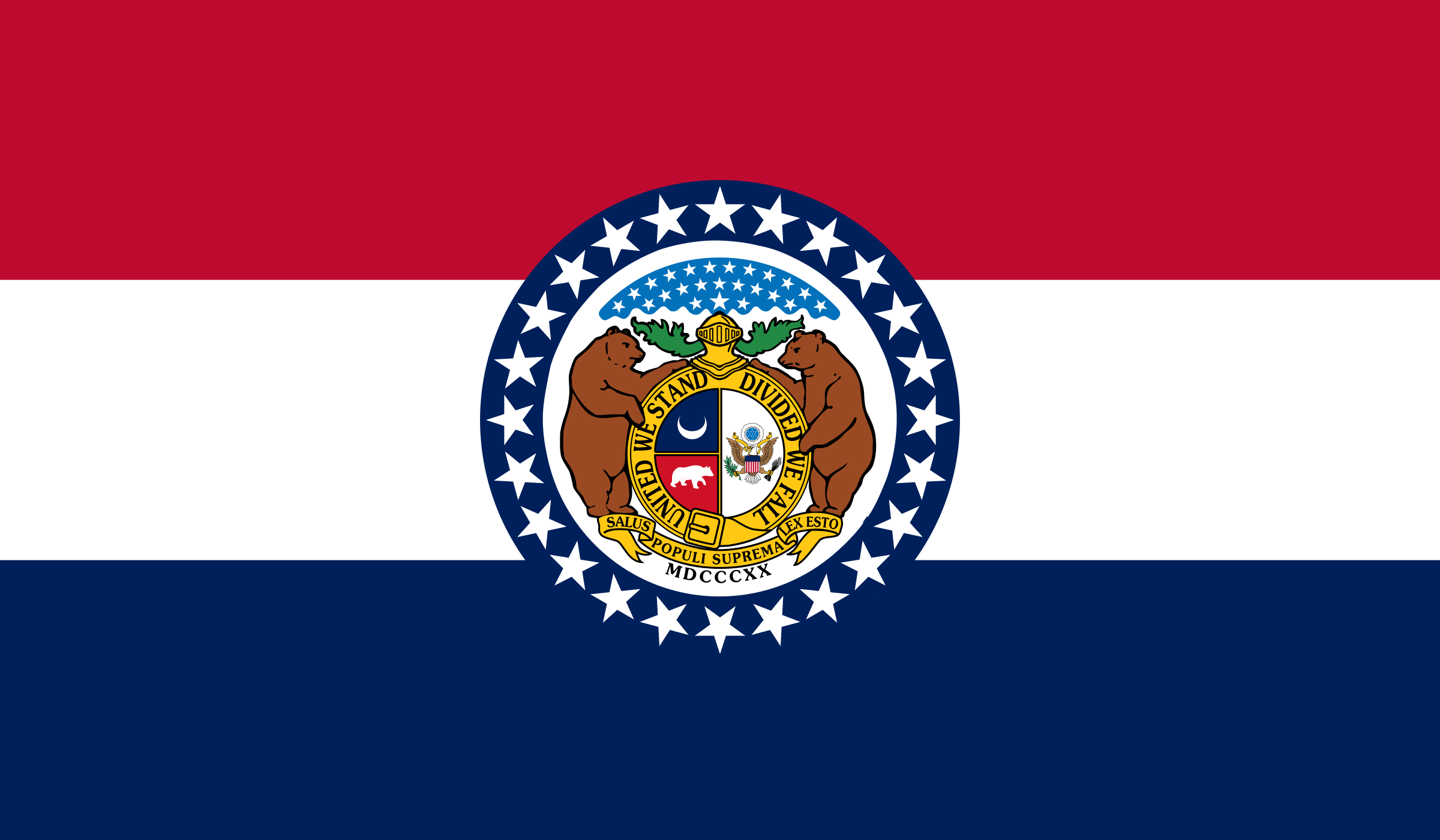
Missouri is at the centre of the United States, with the iconic Gateway Arch in St. Louis, world-renowned barbecue traditions in Kansas City, and the boyhood home of Mark Twain.
Texas is the second-largest US state by both area and population, an independent republic from 1836-1845, with cultural roots blending American, Mexican and German heritage, and a major oil-and-gas economy.