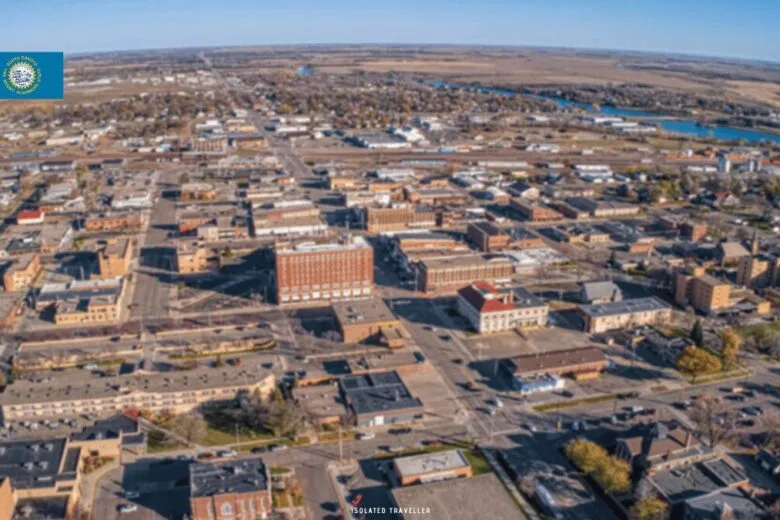
Missouri is at the centre of the United States, with the iconic Gateway Arch in St. Louis, world-renowned barbecue traditions in Kansas City, and the boyhood home of Mark Twain.
Geography & climate
Missouri lies in the Midwest of the United States, set at approximately 38.5°N, 92.5°W and falling within a temperate climate band. The state covers around 180,530 km² of land, with topography that runs from coastal lowlands and river basins to interior plains and (where present) mountain ranges. Local weather, growing seasons and outdoor recreation in Missouri all flow from this geographic profile.
Capital, principal city & population
The capital of Missouri is Jefferson City, where the legislature, governor’s office and state supreme court are based. The largest city by population is Kansas City, often the economic and cultural anchor of the state. Total population sits at around 6.2M, distributed across metropolitan areas, smaller cities, and rural counties — each with its own dialect, demographics and economic character.
Statehood & history
Missouri was admitted to the Union in 1821 as the 24th state. The path to admission typically passed through territorial status, an enabling act of Congress and the drafting of a state constitution. Each generation since has added its layer to the state’s political and cultural identity — from frontier settlement and industrial expansion to the civic and demographic shifts of the modern era.
Symbols & emblems
Missouri is nicknamed “The Show-Me State”, with the state motto Salus populi suprema lex esto (The welfare of the people shall be the supreme law). The state seal, flag and coat of arms each carry historic meaning, often referencing founding settlers, native communities, agricultural roots or pivotal episodes of state history. State legislatures have additionally adopted official symbols — a state bird, flower, tree, song, fossil and more — chosen by lawmakers (and sometimes by schoolchildren) to celebrate distinctive elements of the state’s natural and cultural heritage.
Economy & industry
The economy of Missouri is shaped by its geography, infrastructure and population centres. Major sectors typically span agriculture, manufacturing, energy or natural resources, services, tourism and (in metropolitan corridors) finance and technology. Federal facilities, military bases and research institutions can also be substantial regional employers in Missouri.
Travel, food & culture
For visitors, Missouri offers a mix of urban culture (museums, music venues, sports teams, cuisine) and outdoor experience (state parks, trails, coastline or mountains, depending on the geography). Regional foodways, festivals and dialects make travel between counties feel meaningfully different — even short drives across Missouri can shift the cultural landscape noticeably.
By the numbers
Sort or filter the table to find the values you need at a glance.
| Field | Value | Note |
|---|---|---|
| Abbreviation | MO | two-letter postal code |
| Capital | Jefferson City | — |
| Largest city | Kansas City | — |
| US region | Midwest | — |
| Population | 6.2M | people |
| Area | 180,530 | km² |
| Statehood | 1821 | year admitted |
| Admission order | 24 | order joining the Union |
| Nickname | The Show-Me State | — |
| Motto | Salus populi suprema lex esto (The welfare of the people shall be the supreme law) | — |
| Latitude | 38.5 | degrees |
| Longitude | -92.5 | degrees |
Did you know?
The Gateway Arch in St. Louis is the world's tallest arch at 192 m and is the tallest free-standing monument in the Western Hemisphere.