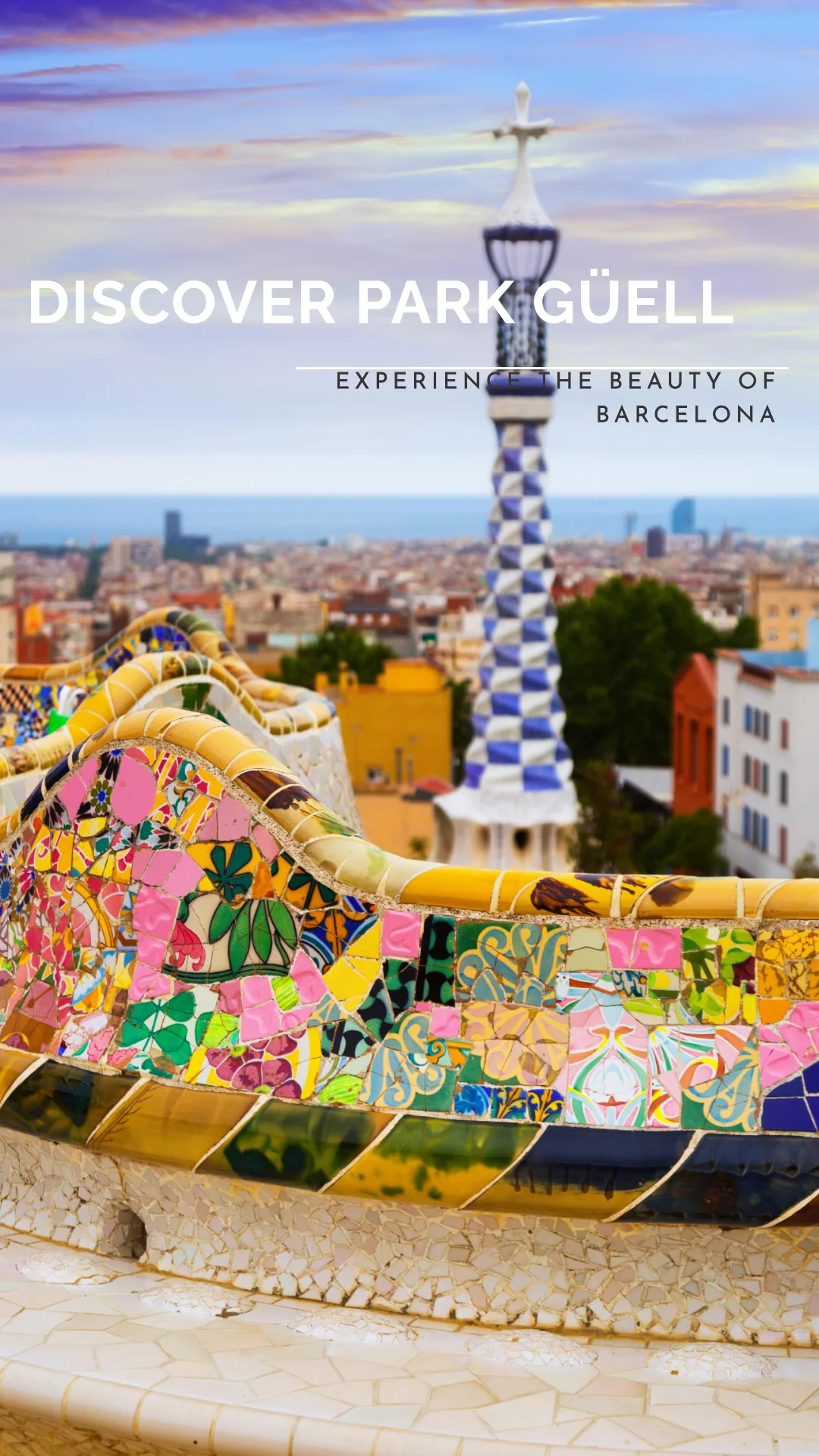
Barcelona is Spain's second-largest city and the capital of Catalonia, on the Mediterranean coast, with Antoni Gaudi's still-unfinished Sagrada Familia and several of the architect's UNESCO-listed buildings.
Location, geography & climate
Barcelona sits in the Catalonia region of Spain, at approximately 41.39°, 2.17°. The metropolitan area covers around 101 km² and falls within a temperate climate band, which shapes the city’s seasons, architecture and street life. Local geography — coastline, river basin, hills or plain — typically dictates the layout of historic neighbourhoods, the route of public transport and the choice of building materials seen across Barcelona.
History & founding
Barcelona was founded around 218 BCE and has grown into one of the principal urban centres of Spain. Successive waves of migration, trade, conquest and reconstruction have layered the city’s street pattern: older quarters often follow medieval, colonial or pre-industrial street plans, while later expansion reaches outward in planned grids, ring roads or transit corridors. Reading the city’s map is, in many ways, reading its history.
Districts, character & architecture
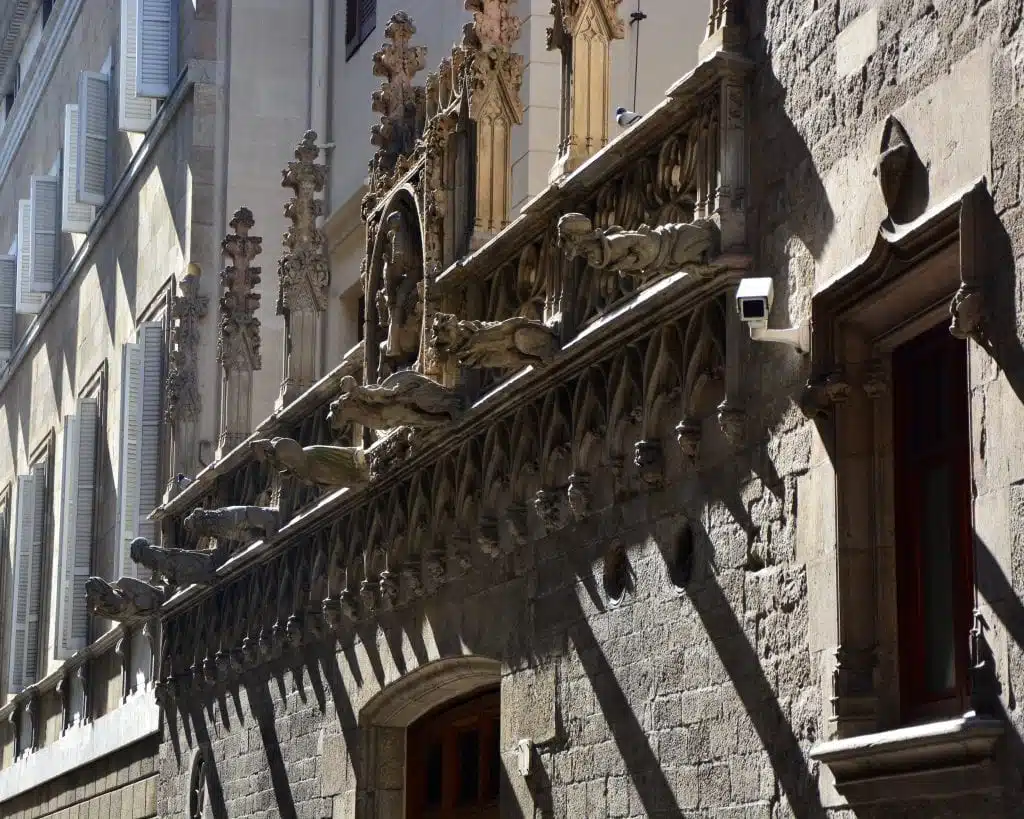
Like every great city, Barcelona is built from neighbourhoods rather than blocks. A historic core typically anchors civic and religious landmarks; commercial districts cluster around transport hubs; residential areas radiate outward at different densities and price points. Architecture across Barcelona reflects the eras of greatest investment — sometimes a single decade dominates the skyline, sometimes a thousand years of building history sits visible on a single street.
Population, economy & daily life
The metropolitan population of Barcelona is around 1.6M. Major employment sectors usually include services, public administration, retail, hospitality and (where applicable) finance, technology, manufacturing or maritime industry. Day-to-day life moves to the rhythm of commuter flows, school timetables, market days and the city’s major stadiums, theatres and venues.
Culture, food & nightlife
Cultural life in Barcelona plays out across museums, galleries, music venues, places of worship, sports arenas and an outdoor calendar of festivals and parades. Cuisine usually reflects both regional traditions and the influence of immigrant communities, with everything from family-run cafés to fine-dining institutions and street-food markets. Nightlife clusters in identifiable districts and tends to peak at weekends and during major celebrations.
Getting around & visiting
Barcelona is best understood on foot in its older districts, with public transport — metros, trams, buses or commuter rail — bridging the longer distances. Cycling is increasingly common in many cities of comparable size. Visitors typically base themselves near a transport hub to reach landmarks, museums and dining quickly. Time of year matters: peak tourist season tracks the city’s climate, with shoulder seasons often offering the best balance of weather, opening hours and crowd levels.
At a glance
Sort or filter the table to compare values for the city.
| Field | Value | Note |
|---|---|---|
| Country | Spain | — |
| Region | Catalonia | within country |
| Population | 1.6M | metropolitan area |
| Area | 101 | km² |
| Founded | 218 BCE | — |
| Latitude | 41.3851 | degrees |
| Longitude | 2.1734 | degrees |
| Climate band | temperate | derived from latitude |
Did you know?
Construction of Barcelona's Sagrada Familia began in 1882 — projected completion is 2026, the centenary of Gaudi's death.