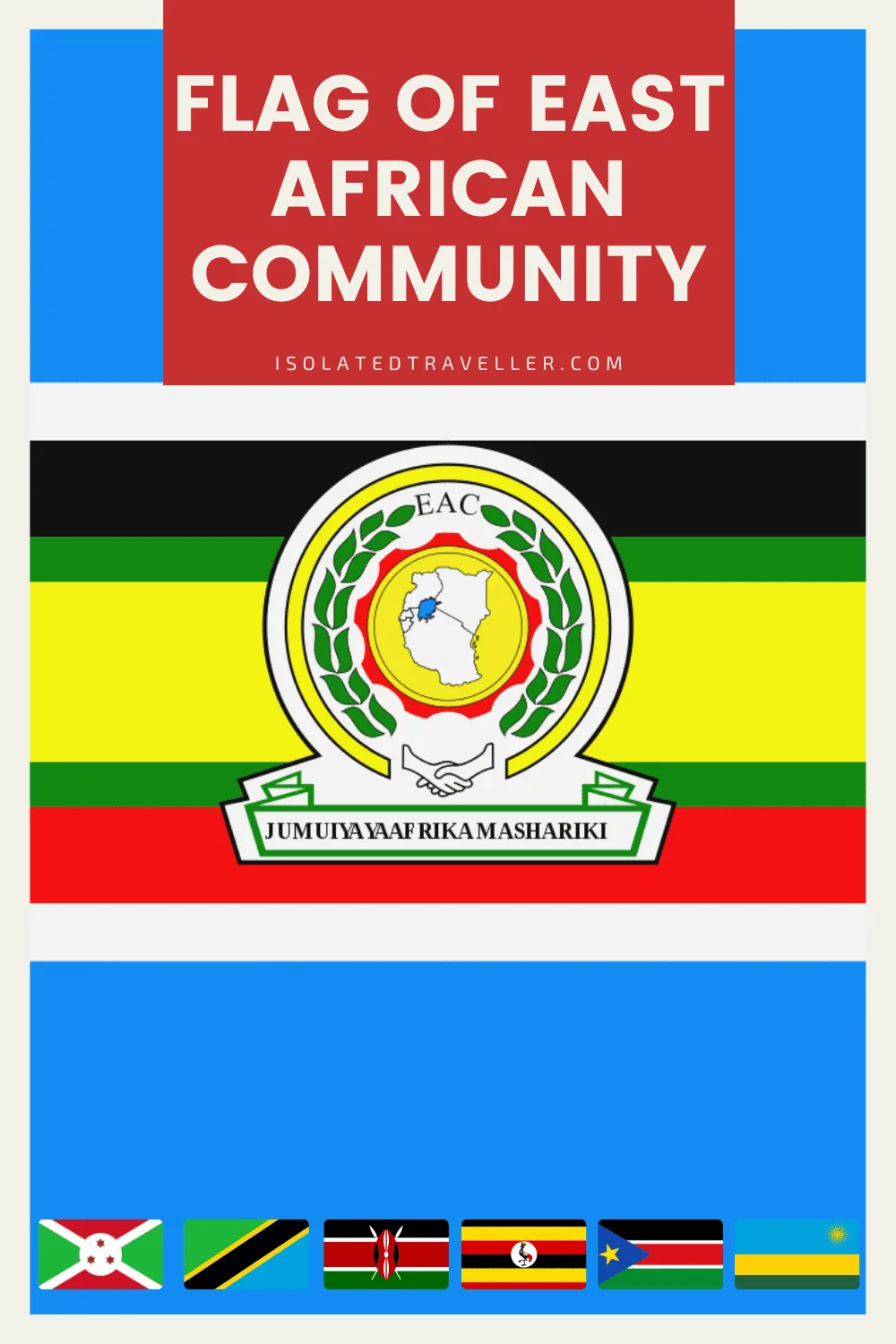
The East African Community is the regional intergovernmental organisation linking eight states of East Africa. Founded in its current form in 2000 — reviving an earlier organisation that operated from 1967 to 1977 — the EAC operates a customs union, common market, and monetary union (in development), making it one of Africa's most ambitious sub-regional integration efforts.
At a glance
- Founded: 2000 (Treaty for the Establishment of the East African Community signed 30 November 1999, entered into force 7 July 2000 (predecessor body operated 1967–1977))
- Headquarters: Arusha, Tanzania
- Official languages: English, Kiswahili
- Website: www.eac.int
Mission
The EAC's objective, set in the 1999 treaty, is widening and deepening cooperation among partner states in political, economic, and social fields for mutual benefit. The four-stage integration programme runs through customs union (2005), common market (2010), monetary union (target 2031), and ultimately political federation. The "East African Federation" remains a long-term aspiration.
Structure
The Summit of Heads of State meets at least once a year. The Council of Ministers handles policy. The Coordination Committee and Sectoral Committees prepare technical work. The East African Court of Justice in Arusha is the principal judicial organ. The East African Legislative Assembly is a 90-member elected parliament. The EAC Secretariat in Arusha, headed by the Secretary General, supports operations.
Member states
EAC has 8 member states. Membership current as of 2024-01.
Key facts
- The original East African Community (1967–1977) collapsed amid disputes between Tanzania and Uganda under Idi Amin; reviving it took a generation.
- Somalia became the eighth member in November 2023, making the EAC the largest by membership of any African regional bloc except for the African Union itself.
- EAC citizens can travel between member states using national ID cards (where available) and are entitled to live and work freely across the bloc — though full freedom of movement varies by member.
- The proposed East African Federation would be the world's largest by population if formed — currently around 300 million people across the eight members.
- The bloc has a single visa for tourism (Kenya, Rwanda, Uganda) and a common East African passport, though full single-passport implementation remains incomplete.
Historic milestones
| Year | Event |
|---|---|
| 1967 | Original East African Community founded |
| 1977 | Original EAC dissolves |
| 2000 | Modern EAC re-established by treaty |
| 2007 | Rwanda and Burundi join |
| 2016 | South Sudan joins |
| 2022 | Democratic Republic of the Congo joins |
| 2023 | Somalia joins, taking membership to 8 |