The African Union is the continental body that links fifty-five African states in a framework for political, economic, and security cooperation. Founded in 2002 as the successor to the Organisation of African Unity (1963–2002), the AU is modelled in part on the European Union and aims at deeper continental integration.
At a glance
- Founded: 2002 (Constitutive Act of the African Union adopted 11 July 2000, AU launched 9 July 2002 in Durban)
- Headquarters: Addis Ababa, Ethiopia
- Official languages: Arabic, English, French, Portuguese, Spanish, Swahili
- Website: au.int
Mission
The AU's stated objectives include greater unity between African countries, defending sovereignty and territorial integrity, accelerating political and socio-economic integration, promoting democratic principles, and coordinating positions on issues of common concern. The 2063 Agenda — a fifty-year strategic framework adopted in 2013 — sets the long-term vision of "an integrated, prosperous, and peaceful Africa".
Structure
The Assembly of Heads of State and Government is the supreme decision-making body, meeting at least once a year. The Executive Council of foreign ministers prepares for the Assembly. The AU Commission, headquartered in Addis Ababa, is the secretariat. The Pan-African Parliament sits in Midrand, South Africa. The Peace and Security Council operates a Continental Early Warning System and authorises peace-support operations.
Member states
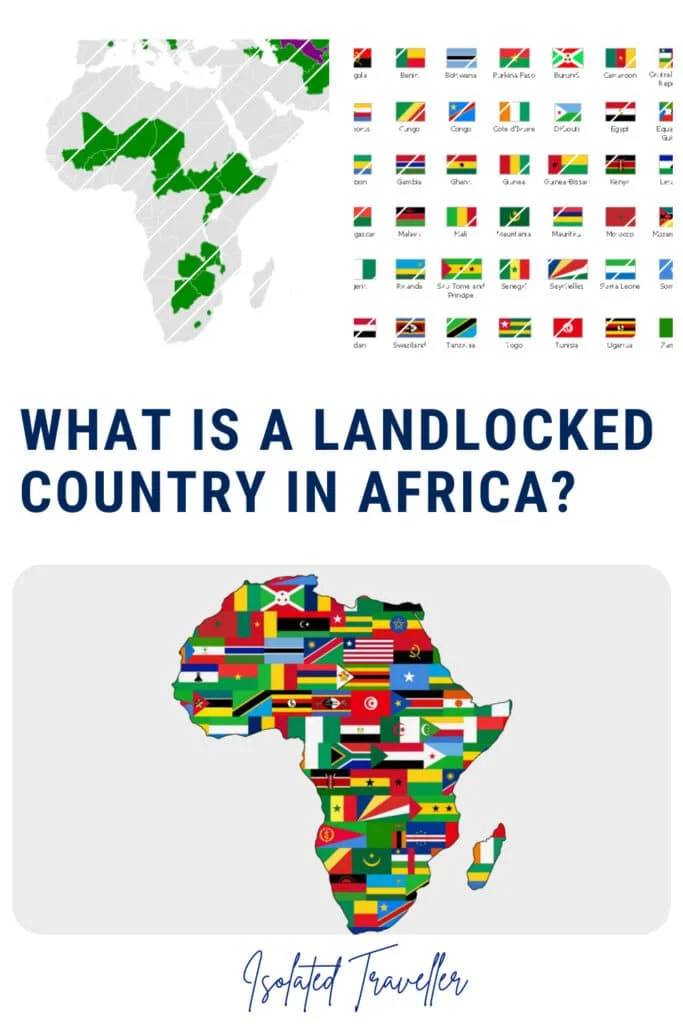
AU has 55 member states. Membership current as of 2024-01.
- Algeria
- Angola
- Benin
- Botswana
- Burkina Faso
- Burundi
- Cabo Verde
- Cameroon
- Central African Republic
- Chad
- Comoros
- Democratic Republic of the Congo
- Djibouti
- Egypt
- Equatorial Guinea
- Eritrea
- Eswatini
- Ethiopia
- Gabon
- Ghana
- Guinea
- Guinea-Bissau
- Ivory Coast
- Kenya
- Lesotho
- Liberia
- Libya
- Madagascar
- Malawi
- Mali
- Mauritania
- Mauritius
- Morocco
- Mozambique
- Namibia
- Niger
- Nigeria
- Republic of the Congo
- Rwanda
- Senegal
- Seychelles
- Sierra Leone
- Somalia
- South Africa
- South Sudan
- Sudan
- São Tomé and Príncipe
- Tanzania
- The Gambia
- Togo
- Tunisia
- Uganda
- Western Sahara
- Zambia
- Zimbabwe
Key facts
- Morocco rejoined the AU in 2017 after a 33-year absence — it had withdrawn from the predecessor OAU in 1984 over the admission of Western Sahara as a member state.
- The African Continental Free Trade Area (AfCFTA) launched in 2021 to create a single market across all 55 member states.
- The AU's Peace and Security Council has authorised major peacekeeping missions including AMISOM in Somalia (now ATMIS).
- Membership has been suspended for several states following coups: Mali, Burkina Faso, Niger, Sudan, and Gabon all faced suspensions in the 2020s.
- The Pan-African Parliament has 235 members elected by the legislatures of member states; it remains a consultative body without binding legislative power.
Historic milestones
| Year | Event |
|---|---|
| 1963 | Organisation of African Unity founded in Addis Ababa |
| 1991 | Treaty Establishing the African Economic Community signed |
| 2002 | African Union launched, succeeding the OAU |
| 2013 | Agenda 2063 adopted as the long-term continental strategy |
| 2017 | Morocco rejoins after 33-year absence |
| 2021 | AfCFTA enters operational phase |