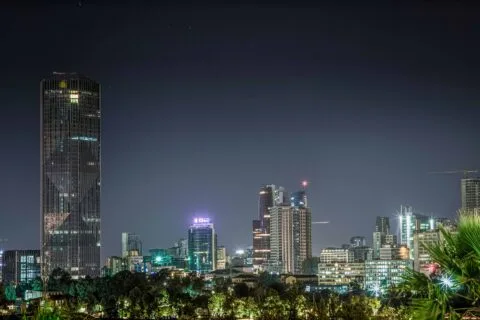
City
Addis Ababa
Addis Ababa is the capital of Ethiopia and the diplomatic capital of Africa, hosting the African Union headquarters, with the National Museum holding the 3.2-million-year-old Lucy fossil.
Addis Ababa is the capital of Ethiopia and the diplomatic capital of Africa, hosting the African Union headquarters, with the National Museum holding the 3.2-million-year-old Lucy fossil.
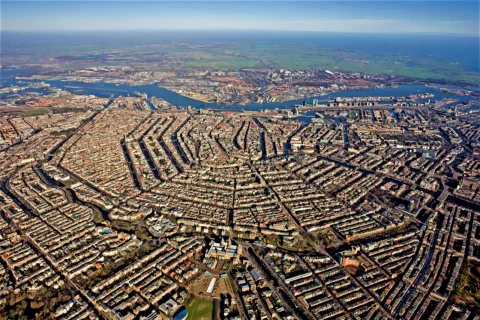
Amsterdam is the capital and largest city of the Netherlands, known for its UNESCO-listed canal ring, the Anne Frank House, the Van Gogh Museum, and a famously bicycle-dominated transport culture.
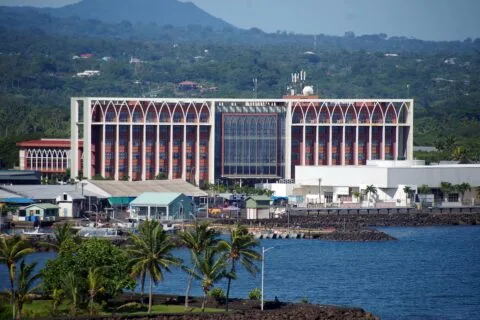
Apia is the capital of Samoa, on the north-central coast of Upolu Island, with the Robert Louis Stevenson Museum (his last home) and a relaxed Polynesian island-capital atmosphere.

Athens is the capital of Greece and the cradle of Western civilisation, dominated by the Acropolis and the Parthenon, with one of the world's oldest documented histories of continuous habitation.
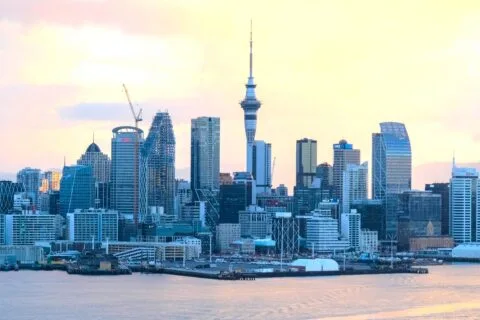
Auckland is New Zealand's largest city, set on twin harbours with 53 dormant volcanoes within the urban area, the Sky Tower, and a sailing culture that earned it the nickname 'City of Sails'.
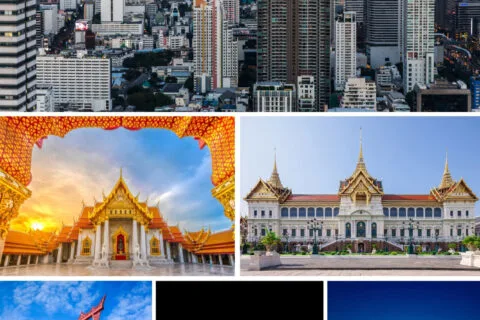
Bangkok is Thailand's capital and the world's most-visited city by international tourists, with the Grand Palace, Wat Pho's reclining Buddha, and a famously chaotic mix of skyscrapers, temples, and street food.

Barcelona is Spain's second-largest city and the capital of Catalonia, on the Mediterranean coast, with Antoni Gaudi's still-unfinished Sagrada Familia and several of the architect's UNESCO-listed buildings.
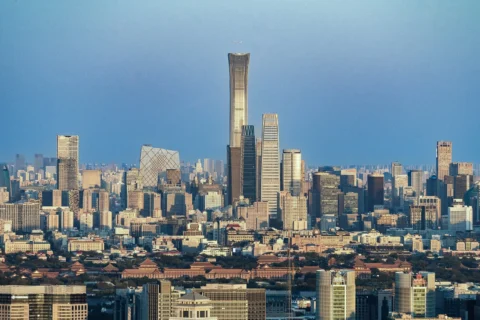
Beijing is the capital of China, with the Forbidden City, the Temple of Heaven, Tiananmen Square, and the Great Wall passing nearby — a city of 3,000 years of imperial history and rapid modern transformation.
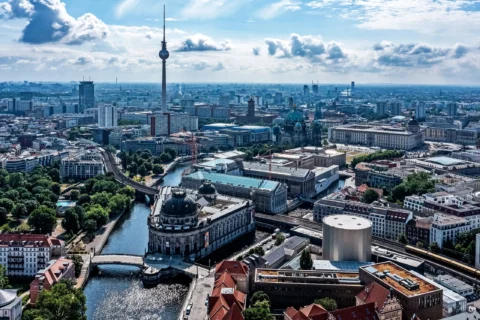
Berlin is the capital and largest city of Germany, divided by the Wall from 1961 to 1989 and now a magnetically creative European capital with the Brandenburg Gate, Reichstag dome and Museum Island as cultural anchors.