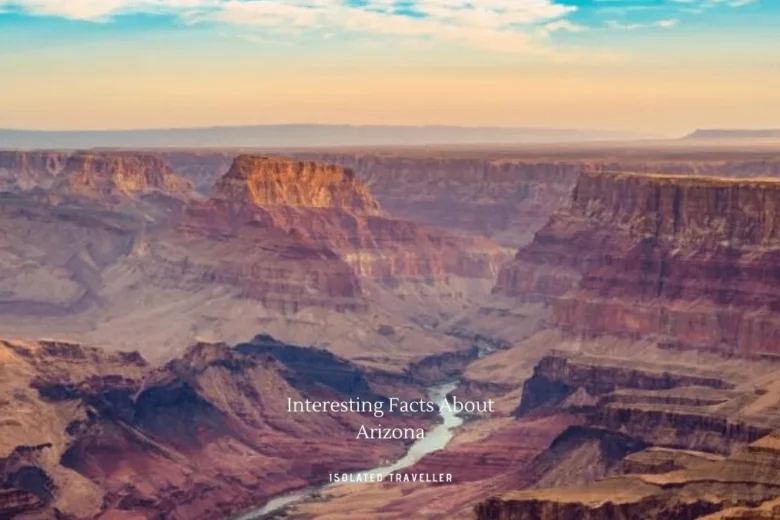
The Grand Canyon is a steep-sided canyon carved by the Colorado River in Arizona, USA. It is 446 km long, up to 29 km wide, and over 1.8 km deep, exposing nearly two billion years of geological history.
Setting & geography
Grand Canyon stands in Arizona, United States, at coordinates 36.05°, -112.14°. The surrounding landscape — urban, coastal, mountainous or rural — frames how the site is approached, photographed and understood. Shaped by geological forces over thousands or millions of years, the site continues to evolve under wind, water and weather.
Architecture & form
As a natural landmark, Grand Canyon combines function and symbolism in proportions that still hold up against the eye. Its principal measurements are 1,857 m max depth, dimensions that govern not only the experience of standing in front of the site but the way it appears in maps, photographs and the city skyline beyond. Materials, ornament and structural strategy all reflect what was available, fashionable and politically possible at the moment of building. Conservation work since has aimed to preserve the original intent while adapting to modern visitor numbers and safety standards.
Construction & history
Construction of Grand Canyon took place in Geological. The work is credited to Natural formation. Grand Canyon has weathered war, weather, neglect and revival across its life. Each generation has read the site differently — sometimes as a sacred place, sometimes as a political monument, sometimes as a tourist attraction — and each reading has left its trace on what the visitor sees today.
Cultural significance
Grand Canyon appears on stamps, coins, school textbooks and a thousand photographs taken every day. It functions as a piece of national identity for United States and as a piece of shared global heritage. UNESCO, national heritage agencies and local custodians typically have overlapping interests in the site’s protection — a useful tension that keeps the place both authentic and accessible.
Plan your visit
Most visitors reach Grand Canyon from Arizona by public transport, organised tour or private taxi; check official sources for current opening hours, ticket prices and seasonal closures before you travel. Best light for photography typically falls in the early morning or the hour before sunset, when crowds also tend to thin. Modest dress and respectful behaviour are expected at religious or memorial sites; many landmarks restrict tripods, drones or large bags. Allow at least two hours on site and longer if you intend to visit any associated museums or grounds.
Specifications
Sort or filter the table to find the specifics quickly.
| Field | Value | Note |
|---|---|---|
| Country | United States | — |
| Location | Arizona | city / region |
| Type | Natural | landmark category |
| Built | Geological | period of construction |
| Architect | Natural formation | — |
| Size | 1,857 m max depth | principal dimensions |
| Latitude | 36.0544 | degrees |
| Longitude | -112.1401 | degrees |
Did you know?
The Grand Canyon's oldest rocks at the bottom are 1.7 billion years old — older than complex multicellular life on Earth.