The Colosseum (Flavian Amphitheatre) is the largest ancient amphitheatre ever built, in the centre of Rome, capable of holding 50,000 to 80,000 spectators for gladiatorial contests, animal hunts, and mock sea battles.
Setting & geography
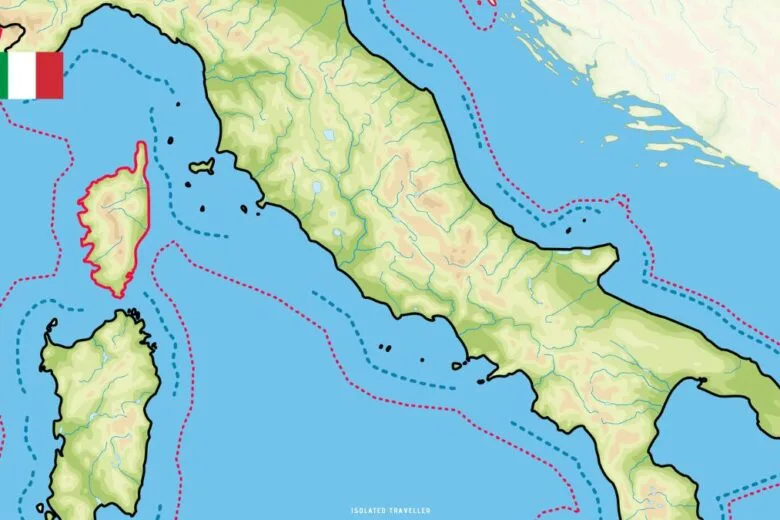
Colosseum stands in Rome, Italy, at coordinates 41.89°, 12.49°. The surrounding landscape — urban, coastal, mountainous or rural — frames how the site is approached, photographed and understood. It marks a moment when the world's direction shifted — and the place still carries the weight of those events.
Architecture & form
The Colosseum is a freestanding stone and concrete amphitheatre, elliptical in plan, built using travertine limestone for the outer walls and brick-faced concrete for the interior. Its three superimposed arcades each use a different classical order — Doric on the ground level, Ionic above, and Corinthian on the third — a deliberate progression that became a standard reference for Renaissance architects.
The arena floor sat above an elaborate underground complex, the hypogeum, with two levels of tunnels and chambers. Animal cages, stage machinery, and rooms for gladiators were connected to the arena above by trap doors and lifting devices. Awnings called the velarium could be drawn over the seating area to shield spectators from sun and rain — these were operated by a detachment of Roman sailors who had the rigging skills the job required.
Seating was strictly stratified: the emperor and senators occupied the lowest and best seats, equestrians sat above them, then ordinary citizens, with women and slaves relegated to the highest tiers. The whole structure could be cleared in minutes through 80 numbered entrances — a model of crowd circulation that modern stadiums still imitate. Much of the outer wall on the south side collapsed in earthquakes during the 9th and 14th centuries, and the marble facing was stripped over the centuries to build other Roman buildings, including parts of St. Peter's Basilica.
Construction & history
Construction began under the emperor Vespasian around 70 or 72 CE, on the site of an artificial lake that had been part of Nero's vast and unpopular palace, the Domus Aurea. Building it on Nero's land was a deliberate political statement — Vespasian was returning to the Roman people what his predecessor had taken for himself. The amphitheatre was completed by Vespasian's son Titus and inaugurated in 80 CE with 100 days of games.
The Colosseum hosted gladiatorial combat, animal hunts, public executions, re-enactments of famous battles, and — in its early decades, before the hypogeum was added — even staged naval battles in a flooded arena. The scale and brutality of these spectacles was integral to the political theatre of imperial Rome: the emperor demonstrated his generosity by providing the games, and the crowd's reaction (thumbs up or thumbs down, in popular legend) shaped imperial reputation.
Gladiatorial games were officially abolished in the 5th century; animal hunts continued for another century or so. The building was used variously over the medieval period as a fortress, a quarry for building stone, and even as a Christian shrine after popes consecrated it in memory of the Christian martyrs supposedly killed there (though the historical evidence for mass Christian executions in the Colosseum is thin). Restoration began in the 19th century and continues today; the Colosseum is now one of the most-visited sites in the world, drawing roughly seven million visitors a year.
Cultural significance
Colosseum appears on stamps, coins, school textbooks and a thousand photographs taken every day. It functions as a piece of national identity for Italy and as a piece of shared global heritage. UNESCO, national heritage agencies and local custodians typically have overlapping interests in the site’s protection — a useful tension that keeps the place both authentic and accessible.
Plan your visit
Most visitors reach Colosseum from Rome by public transport, organised tour or private taxi; check official sources for current opening hours, ticket prices and seasonal closures before you travel. Best light for photography typically falls in the early morning or the hour before sunset, when crowds also tend to thin. Modest dress and respectful behaviour are expected at religious or memorial sites; many landmarks restrict tripods, drones or large bags. Allow at least two hours on site and longer if you intend to visit any associated museums or grounds.
Specifications
Sort or filter the table to find the specifics quickly.
| Field | Value | Note |
|---|---|---|
| Country | Italy | — |
| Location | Rome | city / region |
| Type | Historic | landmark category |
| Built | 70 – 80 CE | period of construction |
| Architect | Vespasian (commissioned) | — |
| Size | 48 m tall | principal dimensions |
| Latitude | 41.8902 | degrees |
| Longitude | 12.4922 | degrees |
Did you know?
The Colosseum's hypogeum (underground level) had 80 vertical shafts and lifts powered by 28 capstans that could raise gladiators and animals to the arena floor.