The Council of Europe is Europe's oldest and largest pan-European intergovernmental body, founded in 1949 in the aftermath of the Second World War. The Council's remit covers human rights, democracy, and the rule of law — distinct from the European Union and considerably broader in geographic scope.
At a glance
- Founded: 1949 (Treaty of London signed 5 May 1949)
- Headquarters: Strasbourg, France
- Official languages: English, French
- Website: www.coe.int
Mission
The Council's founding mission is to achieve greater unity between its members for the purpose of safeguarding and realising the ideals and principles which are their common heritage and facilitating their economic and social progress. In practice, the Council's most influential work is through the European Convention on Human Rights and the European Court of Human Rights.
Structure
The Committee of Ministers (foreign ministers) is the principal decision-making body. The Parliamentary Assembly is composed of 306 members appointed by national parliaments and meets in Strasbourg. The European Court of Human Rights, also in Strasbourg, hears cases from individuals and member states. The Secretariat handles day-to-day operations.
Member states
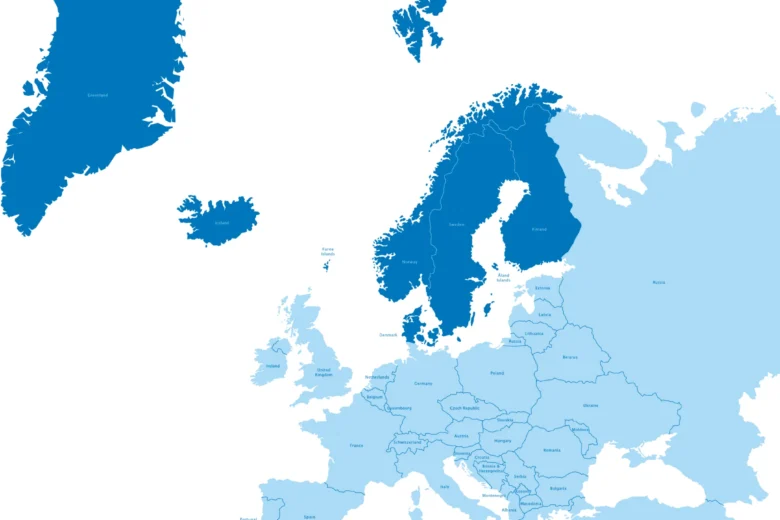
CoE has 46 member states. Membership current as of 2024-01.
- Albania
- Andorra
- Armenia
- Austria
- Azerbaijan
- Belgium
- Bosnia and Herzegovina
- Bulgaria
- Croatia
- Cyprus
- Czechia
- Denmark
- Estonia
- Finland
- France
- Georgia
- Germany
- Greece
- Hungary
- Iceland
- Ireland
- Italy
- Latvia
- Liechtenstein
- Lithuania
- Luxembourg
- Malta
- Moldova
- Monaco
- Montenegro
- Netherlands
- North Macedonia
- Norway
- Poland
- Portugal
- Romania
- San Marino
- Serbia
- Slovakia
- Slovenia
- Spain
- Sweden
- Switzerland
- Turkey
- Ukraine
- United Kingdom
Key facts
- The Council of Europe is wholly distinct from the European Union — the EU has 27 members; the Council has 46 and includes most of Europe except Belarus.
- Russia was expelled in March 2022 over the invasion of Ukraine — the first expulsion in the Council's history.
- The European Court of Human Rights has heard around a million cases since its founding; its rulings are binding on member states.
- The European Convention on Human Rights is incorporated into UK domestic law as the Human Rights Act 1998 — though the relationship has been politically contested.
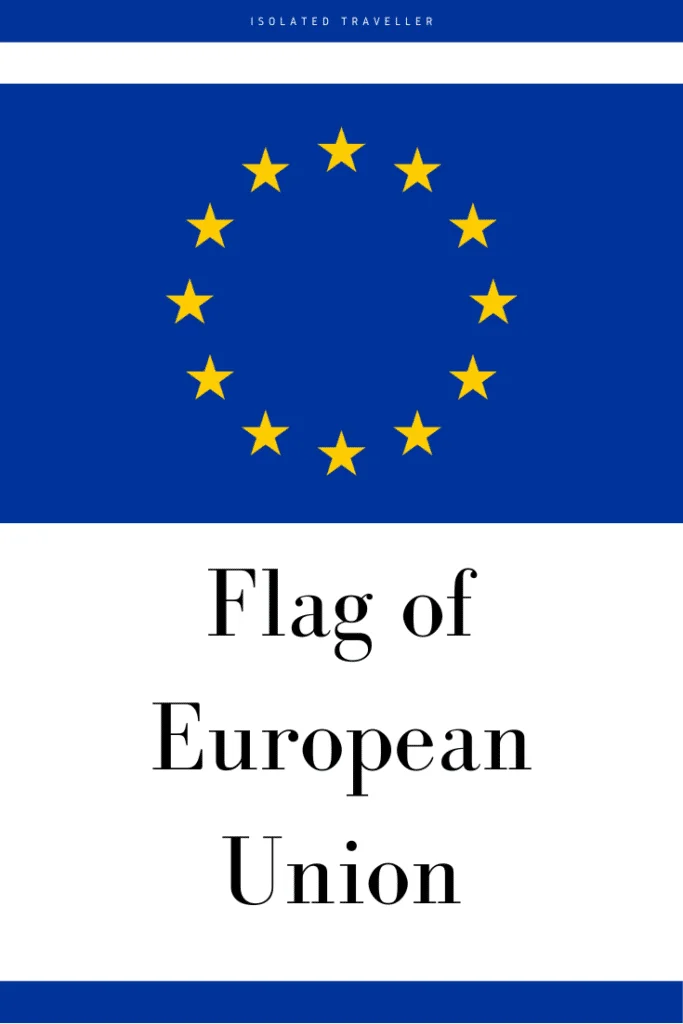
- The flag and anthem ("Ode to Joy") used by the European Union were originally adopted by the Council of Europe in 1955 and 1972 respectively.
Historic milestones
| Year | Event |
|---|---|
| 1949 | Council of Europe founded by 10 states under the Treaty of London |
| 1950 | European Convention on Human Rights signed in Rome |
| 1959 | European Court of Human Rights established |
| 1989 | Post-Cold-War expansion: Hungary, Poland, then most of Eastern Europe join |
| 1996 | Russia joins |
| 2022 | Russia expelled over invasion of Ukraine |